
Evaluating a Bathroom Vanity Manufacturer: From Material Selection to Production Deliveries
The global bathroom vanities market was valued at approximately USD 43.34 billion to USD 47.22 billion in 2024/2025, with projections reaching up to USD 89.96 billion by 2034 (Fortune Business Insights and Grand View Research). Inside that market, wood-based construction — solid wood and plywood — held the largest material share at 34.9% of revenue in 2025, and residential applications accounted for roughly 74.9% of revenue in the same year (Grand View Research).
Those figures explain why the category is crowded. They do not tell a buyer whether a specific supplier can actually deliver the vanities a project specifies. That decision comes down to five verifiable layers: material substrate, finish control, the dimension ladder and mirror pairing, hardware and accessory range, and the production base standing behind the delivery date.
This article is an evaluation framework rather than a product pitch. It uses published specification, factory and certification data from SHKL (Foshan SHKL Sanitary Ware Co., Ltd), a bathroom cabinet and sanitary ware manufacturer founded in 2004 with production bases in Foshan, China and Ho Chi Minh City, Vietnam, to show what evidence to request at each stage — from material selection through production delivery. Every criterion below can be checked against a specification sheet, a decor code, or a certification document.
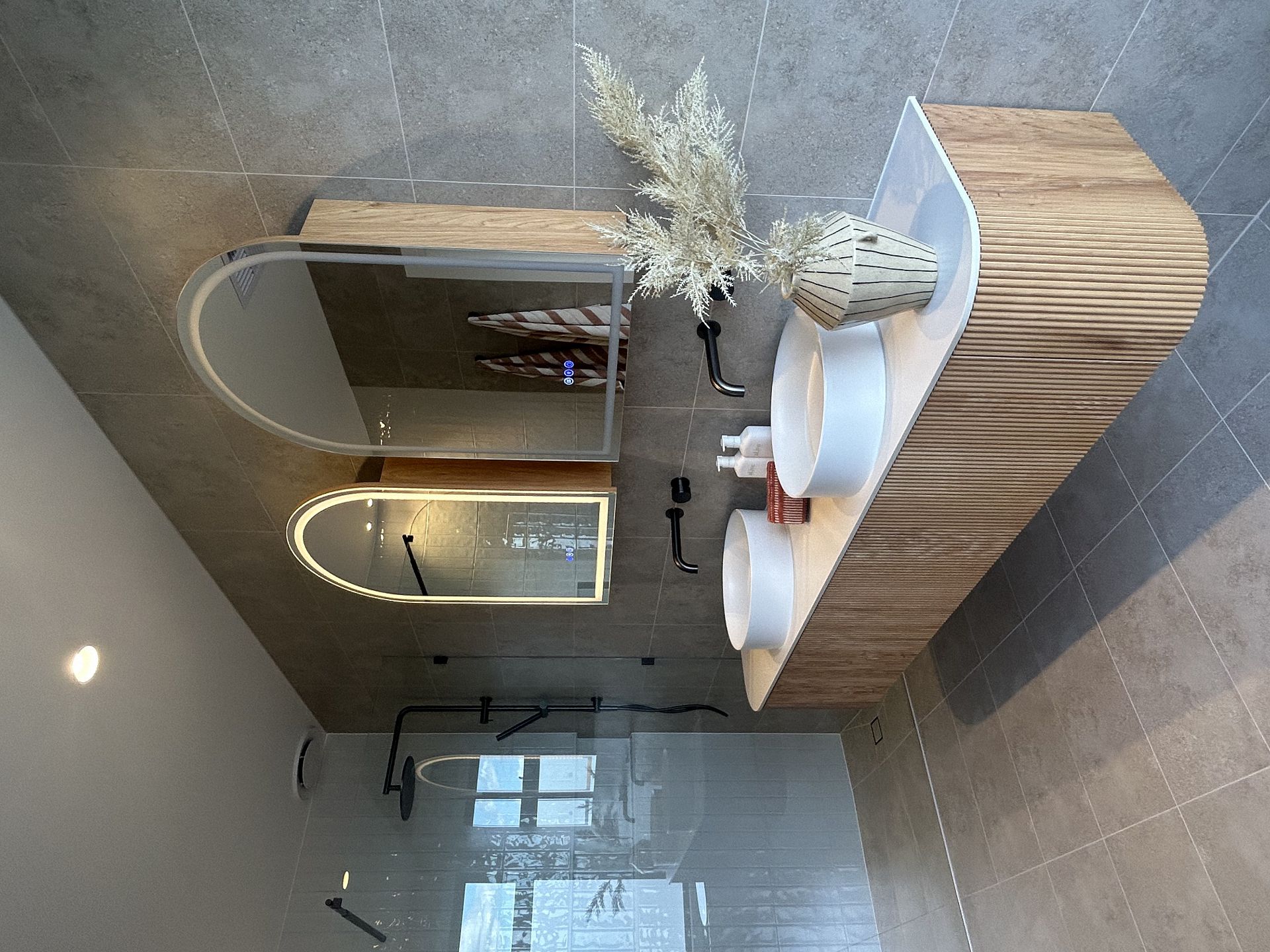
The Evaluation Problem: How Vanity Programs Fail Between Specification and Shipment
Vanity sourcing decisions rarely fail at concept stage. They fail in the gap between an approved specification sheet and a delivered container. The recurring failure modes are consistent — and, importantly, checkable in advance:
- Material substitution. A quotation assumes plywood and solid wood construction; the shipped cabinet arrives with a different substrate behind the same door design.
- Finish drift. The approved decor is a melamine finish such as A2391 Acacia; the delivered panel reads differently under project lighting.
- Dimension mismatch. Cabinet and mirror are ordered from different size families, so a 900 mm mirror lands above an 800 mm cabinet.
- Hardware downgrade. Drawer slides and hinges change after approval, and the soft-closing behavior that justified the price disappears.
- Mirror function gaps. The project needs defogging and dimming; the delivered mirror has a wooden frame and no light.
- Delivery slippage. Capacity was assumed rather than verified, and the shipment date moves after the purchase order is issued.
Each of these is a documentable question. An evaluation framework converts them into answers that can be verified before a deposit is paid — and it does so without relying on catalog photography, which is identical across most suppliers in this category.
Industry Background: Material, Format and Compliance Context
Three market conditions shape how a bathroom vanity manufacturer should be evaluated right now.
Wood remains the leading material choice. The wood material segment, which includes solid wood and plywood, led the market with a 34.9% revenue share in 2025, driven by premium aesthetics and durability (Grand View Research). Buyers evaluating substrate quality are therefore working in the category's largest and most price-sensitive segment, where substrate claims need written confirmation rather than verbal assurance.
Wall-mounted formats lead design, freestanding still carries volume. Floating, wall-mounted vanities are a leading design trend for 2025–2026, while freestanding units continue to hold a significant market volume share in North America — around 30% (Houzz / Homes & Gardens). A manufacturer offering only one format cannot serve a mixed project, and mixed projects are the norm in renovation work.
Compliance is region-specific. Bathroom cabinets and vanities in North America must comply with UL 962, the standard covering stability, mechanical strength and flammability (UL Solutions). Management-system certifications are a separate matter from that product standard, and the two are frequently confused during supplier review — a confusion that costs time at the compliance stage.
Market analyses of this category name global players such as Kohler, Masco (Delta/Peerless), American Woodmark and TOTO (Mordor Intelligence). Those names compete primarily on brand and distribution reach. Buyers sourcing vanities under their own specification or private label face a different evaluation set, centered on materials, finishing control and delivery reliability rather than brand recall.
The Five-Layer Evaluation Framework
The framework below moves from the inside of the cabinet outward and finishes at the production base. Each layer states the evidence to request and shows how SHKL documents that layer in its published specifications.
Layer 1 — Material substrate: plywood and solid wood as a stated specification
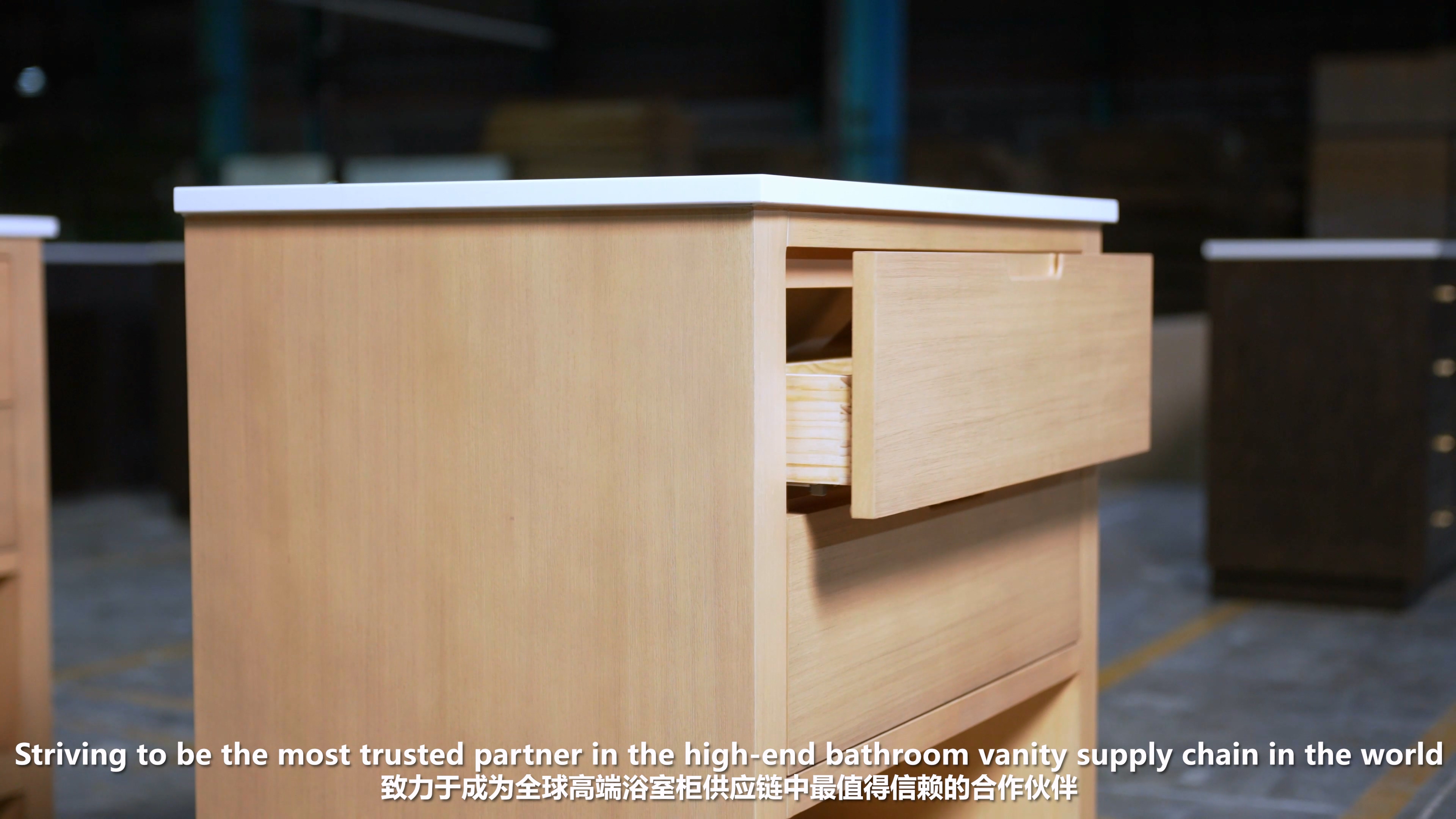
Material should be specified separately from the door decor, because a decor code describes a surface, not a substrate. In SHKL's published specifications, plywood and solid wood appear together as the material for the vanity ranges rather than as an optional upgrade. Model KL813003, a wall mounted bathroom vanity, lists “Plywood and solid wood” as its material across a size ladder of 750/800/900/1000/1200 × 520 × 504 mm. The same wording — plywood and solid wood — carries through the AS813047, AS813048A, AS813049, AS813050, AS813108, AS813109 and KL813001 models, with finish, structure and accessory specifications changing around that constant.
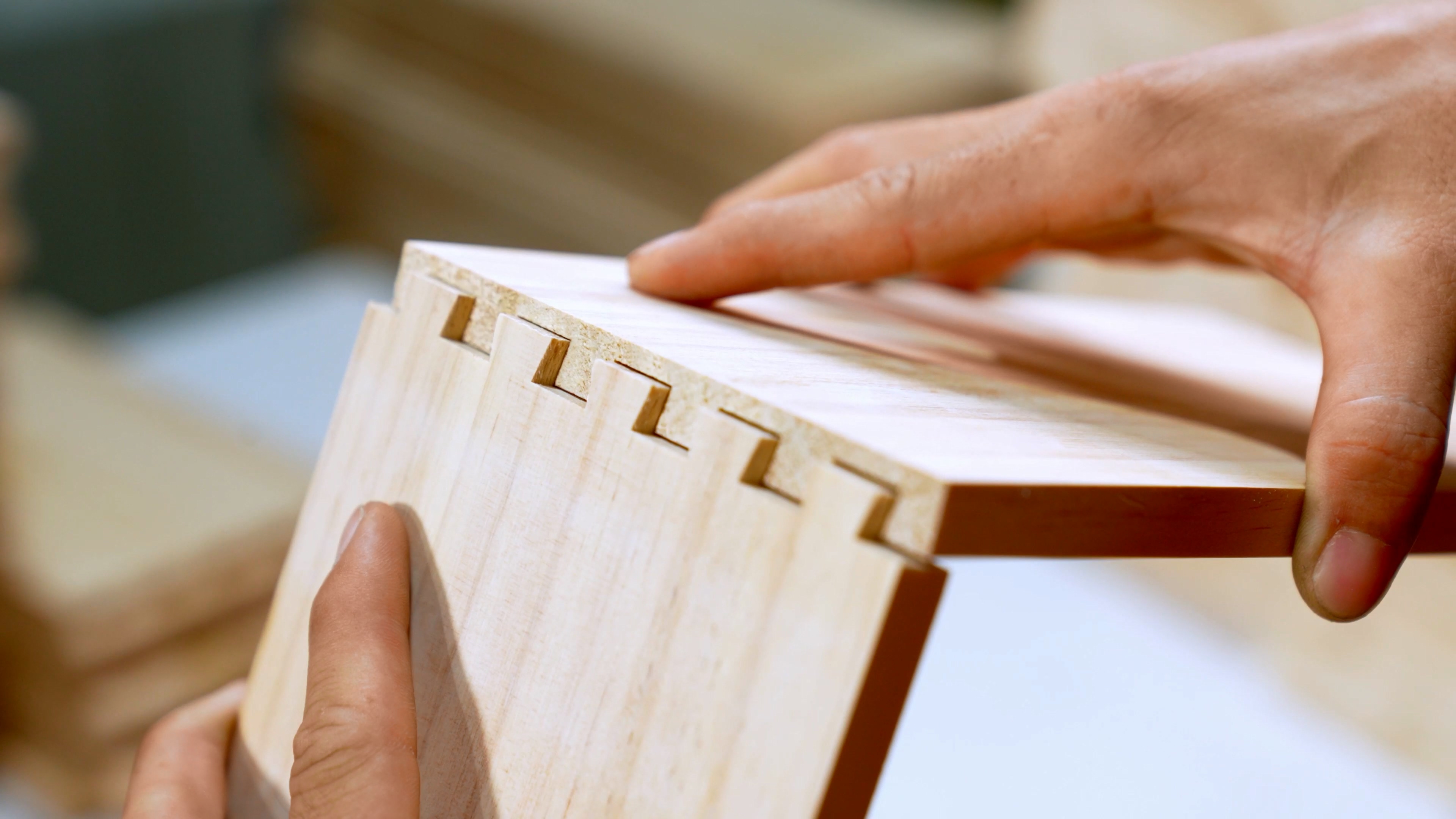
Construction method is the second half of the material question. SHKL's production documentation covers mortise and tenon joint structure, laser positioning hole-making, CNC machining, sheet edge sealing and machine slotting — the woodworking steps that determine whether a cabinet keeps its alignment in a humid bathroom over years of drawer cycles. When evaluating a manufacturer, ask which of these processes are performed in-house and which are outsourced, because outsourced cabinet bodies are the most common source of dimension drift at assembly.
Layer 2 — Finish control: decor codes and the coating line behind them
Finish is the most lighting-sensitive element of a vanity and the easiest to substitute. SHKL's listed finishes across the vanity range include:
- A2391 Acacia melamine and solid wood lacquered (KL813003)
- A2392 Walnut melamine and lacquered (KL813001)
- Warm Mist Brown lacquered and melamine (AS813047, AS813048A, AS813108, AS813109)
- Ancora Walnut lacquered and melamine (AS813049, AS813050)
Two details matter when comparing these against a quotation. First, whether the finish is melamine, lacquer, or a combination applied to different surfaces — the specifications above distinguish “lacquered and melamine” precisely because both appear on the same unit. Second, whether the coating is produced in a controlled environment: SHKL documents dust-free spray booth workshops, an automatic spraying production line, a final paint repair step, and a PU dust-free spray paint workshop at its Vietnam facility.
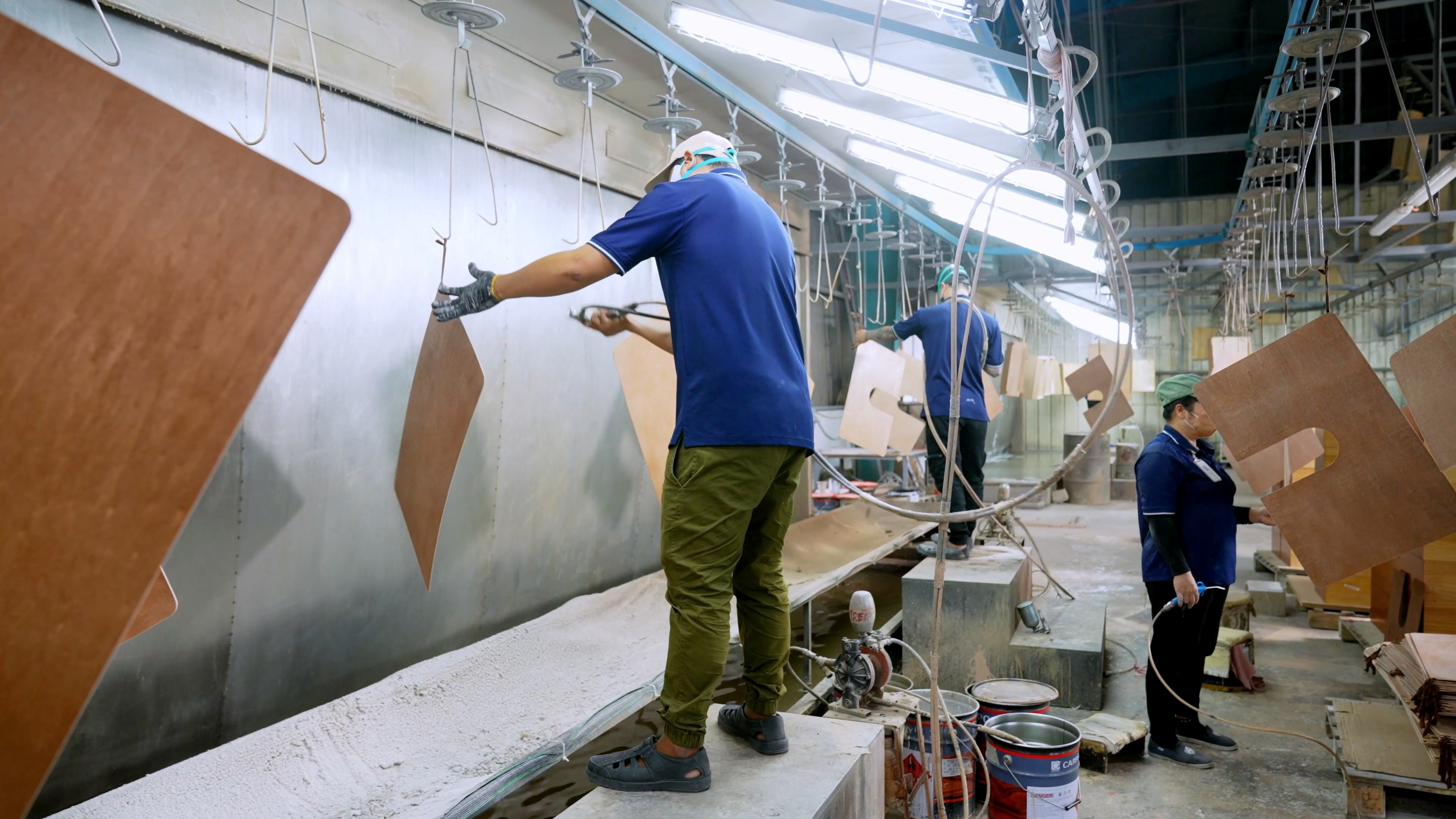
The practical evaluation rule: request approved finished samples under the project's own lighting, and confirm the decor code in writing for every visible surface, including drawer interiors, back panels and the inside faces of doors.
Layer 3 — Dimension ladder and mirror pairing
Product-range breadth is only useful if the dimensions connect. The clearest test is whether a manufacturer publishes matched cabinet-and-mirror dimensions as a set rather than as unrelated catalog items:
- KL813003: cabinet widths of 750/800/900/1000/1200 mm, with a uniform depth and height of 520 × 504 mm.
- AS813109-80: an 800 × 469 × 408 mm cabinet paired with an 800 × 650 × 150 mm LED mirror cabinet.
- AS813109-90: a 900 × 469 × 408 mm cabinet paired with a 900 × 650 × 150 mm LED mirror cabinet.
- AS813049: a freestanding cabinet of 450 × 450 × 890 mm paired with a 500 × 1500 × 35 mm LED mirror.
A size ladder that scales in 100 mm increments across five widths indicates a manufacturer able to serve a multi-unit project where every bathroom differs — the standard condition in residential work, which accounted for about 74.9% of category revenue in 2025 (Grand View Research). It also shows that the mirror was engineered for the cabinet, not matched afterwards.
Layer 4 — Hardware, basin, countertop and LED mirror functions
This layer reveals how well a supplier can match a specification to a project's budget lines. SHKL's published model data spans several hardware families and basin constructions:
- Hardware: DTC soft-closing slides, DTC hinges, Unihopper soft-closing slides, Unihopper metal box soft-closing slides, Unihopper push-open slides, and Hettich push-open systems.
- Basins: undermount ceramic (KL813003), glossy white ceramic (AS813048A, AS813050), above-counter ceramic (KL813001), sintered stone integral (AS813047, AS813049) and solid surface (AS813109).
- Countertops: Pure White Porcelain slab (KL813003, KL813001), solid surface top (AS813108) and terrazzo top (AS813109).

Mirror and lighting functions show the same spread, and this is where accessory range becomes evidence of project capability rather than decoration: an LED mirror with a light gold aluminum frame, 5 mm copper-free glass, three color temperatures, defog and dimming controlled by two touch buttons (AS813047); a gun metal framed LED mirror with three color temperatures, defog and dimming (AS813050); a mirror cabinet with three DTC-hinged doors, an internal LED light strip and an infrared sensor switch (AS813108); an oval mirror cabinet in 3 mm copper-free glass (AS813109); a light gold metal framed mirror with a motion sensor switch in one color temperature, backlit and dimmable (AS813049); and, at the simpler end, a wooden frame mirror with no light (AS813048A).
A range that runs from an unlit wooden-frame mirror to a sensor-controlled mirror cabinet means a buyer can specify illuminated, hospitality-grade units in public bathrooms while keeping secondary bathrooms on a simpler specification — from one supplier, on one purchase order, with one set of documents.
Layer 5 — Production base, quality control and certification scope
The final layer determines whether the first four can be repeated at volume. SHKL operates a 100,000 m² production base in China and a 40,000 m² factory in Ho Chi Minh City, Vietnam, with 600 employees, a 20-person R&D team, and a stated monthly output of 70,000+ units across bathroom cabinets, shower enclosures and LED mirrors. Export accounts for 70% of business, with markets in the EU, Australia, North America, South America and the Middle East, and distribution across 50+ countries and regions.
Quality control is documented at multiple stages: quality inspectors working in a laboratory environment, QC checks on semi-finished products during the spraying process, drawer assembly verification, and a stated 100% inspection rate. Management-system certification is current and specific:
- ISO 9001:2015, certificate 04924Q00629R0M
- ISO 14001:2015, certificate 04924E00351R0M
- ISO 45001:2018, certificate 04924S00316R0M
All three were issued on 11 May 2024 by Guangdong Quality Testing CTC Certification Co., Ltd. and remain valid through 10 May 2027, with a scope covering the R&D and manufacture of bathroom cabinets and the manufacture of fixed universal lighting fixtures. That second scope item deserves attention: it covers the LED mirror portion of a vanity package, which is often treated as a separate compliance question or left uncovered entirely.
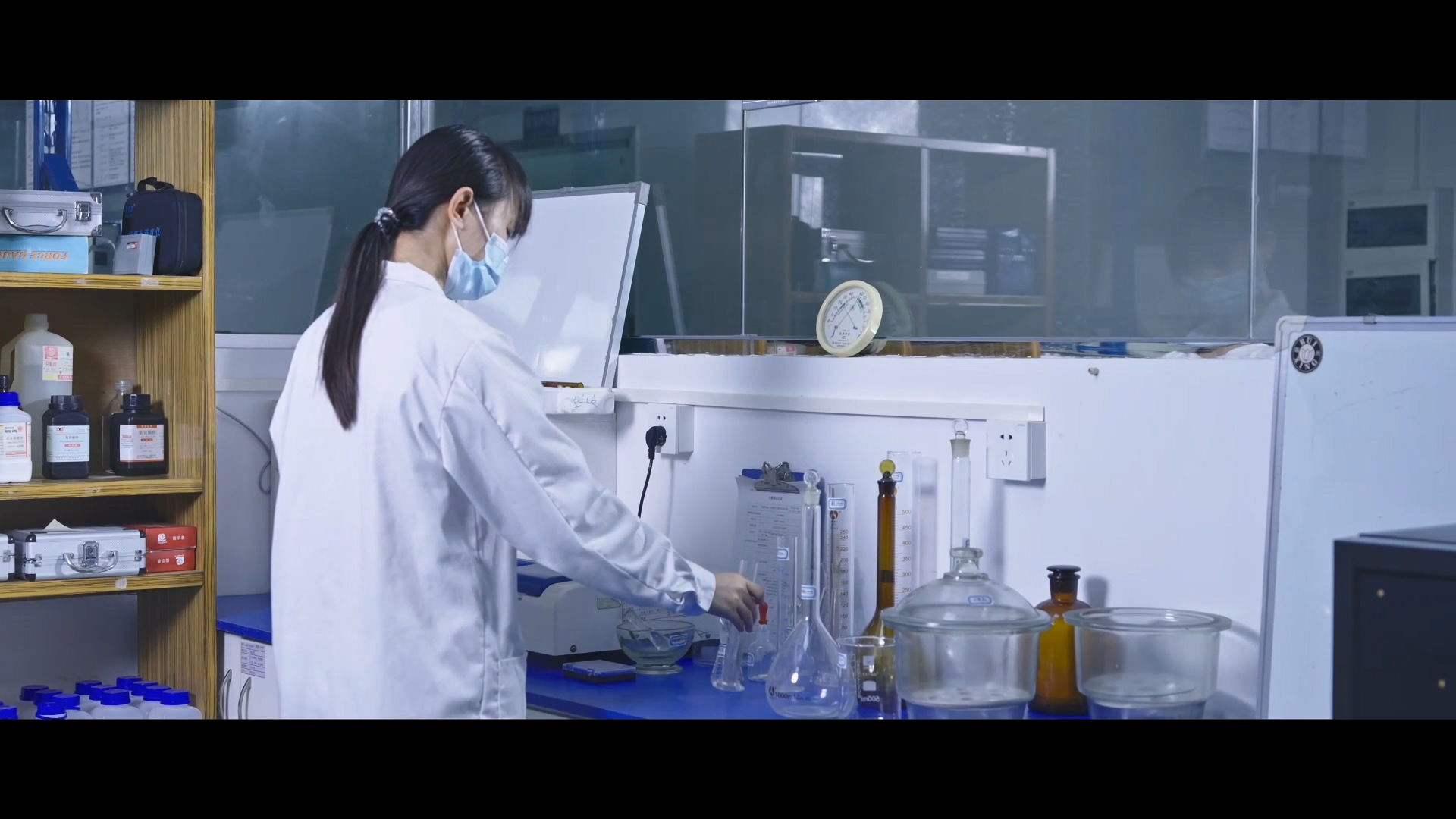
For North American projects, UL 962 remains the relevant product standard for the cabinet itself, covering stability, mechanical strength and flammability (UL Solutions). A supplier should be able to say which standard applies to which market — and produce the certificate that answers it — rather than offering a general assurance of compliance.
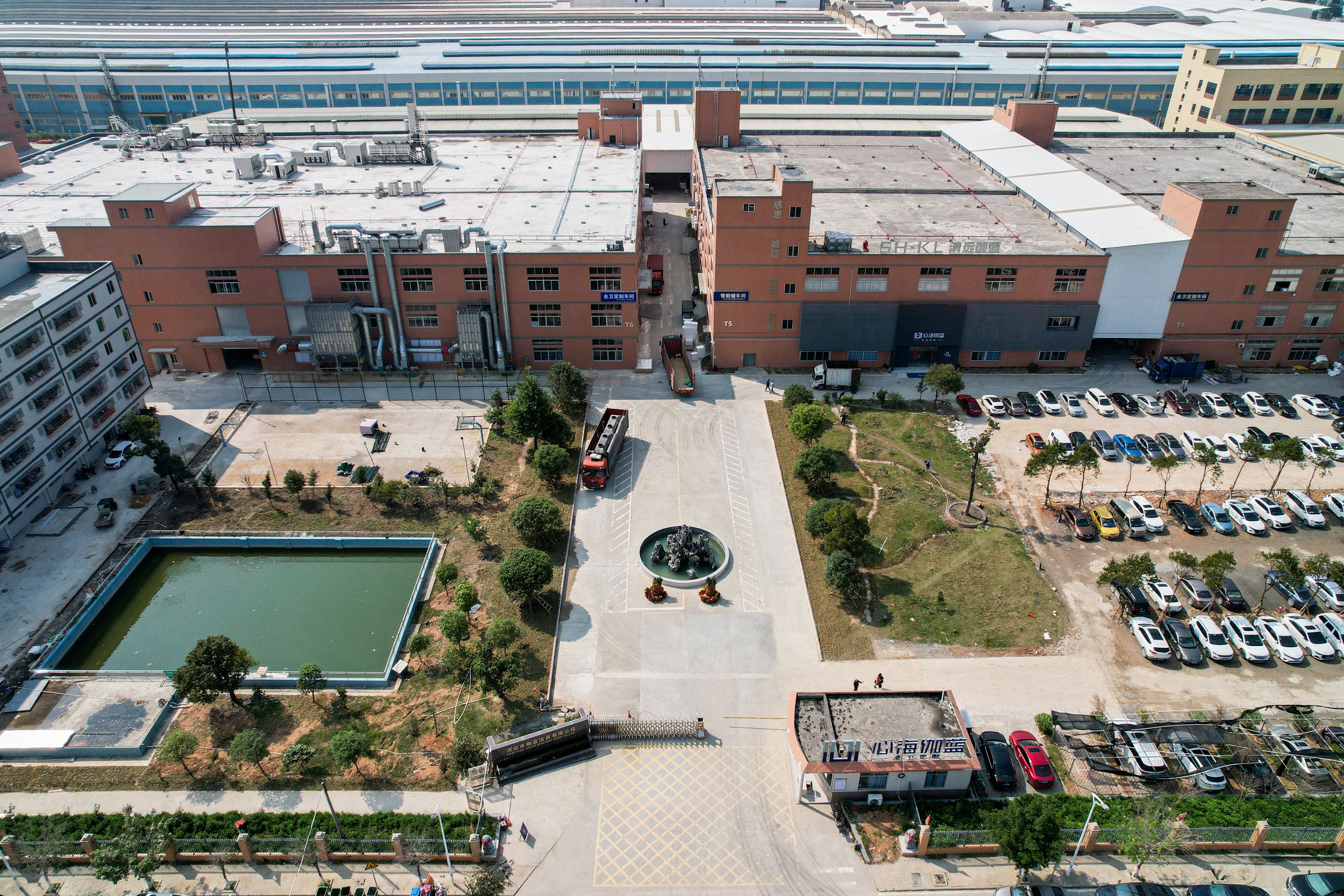
A second production base is also a supply-continuity consideration. SHKL positions its Vietnam factory as additional capacity serving US and Canadian programs alongside the China base — relevant when a buyer plans deliveries across a multi-year schedule rather than a single container.
Step-by-Step: Running the Evaluation in Six Steps
- Define the project type and volume before requesting a quotation. Residential projects dominate the category at about 74.9% of revenue (Grand View Research), but hospitality, villa and distributor programs carry different tolerance for configuration drift. SHKL's stated order parameters are a minimum order quantity of 50 units and a production lead time of 30–45 days, so volume and calendar should be settled before specification work begins.
- Verify material and finish codes in writing. Ask for the substrate (plywood and solid wood) and the decor code (for example, A2391 Acacia melamine with solid wood lacquered) as separate line items, and confirm which surfaces receive lacquer and which receive melamine.
- Lock the dimension ladder and mirror pairing against the room drawings. Use matched cabinet and mirror dimensions — such as the 800 × 469 × 408 mm cabinet with the 800 × 650 × 150 mm mirror, or the 900 mm pair — to confirm that scaled configurations exist rather than being improvised per order.
- Confirm hardware, basin, countertop and mirror functions item by item. Name the slide and hinge family (DTC, Unihopper, Hettich), the basin construction (ceramic, sintered stone, solid surface), the countertop (porcelain slab, solid surface, terrazzo) and the mirror function set (color temperature, defog, dimming, sensor type).
- Audit certification scope rather than certificate presence. Record certificate numbers, issuing body and validity dates for ISO 9001, ISO 14001 and ISO 45001, check that the scope covers bathroom cabinets and lighting fixtures, and confirm the product standard required in the destination market, such as UL 962 in North America.
- Verify capacity, delivery record and after-sales terms. Match the factory footprint to the order volume, request comparable completed projects, and confirm what happens after delivery — SHKL states warranty support, remote after-sales consultation and spare parts supply.
Use Cases: Where the Framework Changes Emphasis
Residential and multi-unit residential programs
With residential work at roughly 74.9% of category revenue (Grand View Research), apartment and multi-unit programs usually need one finish family carried across several cabinet widths. The relevant test is the size ladder and whether a single decor code can be held constant from 750 mm to 1200 mm units without redesigning the drawer hardware.
Hospitality projects
Hospitality specifications raise the accessory bar. A US hotel bathroom project delivered by SHKL involved 250 units over a two-year schedule, with on-time delivery and product quality meeting US market standards, and design fidelity cited as a project highlight. For hotel work, mirror functions — defog, dimming and sensing — belong in the specification alongside the cabinet, because guest bathrooms are where functional gaps become visible fastest.
Villa and developer projects
An Australian villa project of 100 customized bathroom vanities was delivered on time and to the villa design specification, with the products described as practical, durable and well designed with a harmonious overall style. Developer projects of this type reward the freestanding and floating mix, and double-sink configurations where room dimensions allow.
Distributor and OEM programs
Distributors evaluating a manufacturing partner should read the customization list as a capability statement: SHKL operates in OEM mode with customization across size, color, material, finish, hardware, logo and design style. A 50-unit Canadian bathroom and kitchen cabinet project met Canadian safety standards, with materials meeting the project requirements. With 70% of output exported to the EU, Australia, North America, South America and the Middle East, a distributor's own market requirements can usually be mapped onto an existing specification base rather than developed from zero — which shortens the path from first inquiry to first shipment.
Comparison Table: SHKL Vanity Models by Material, Finish, Hardware and Mirror
The table below consolidates published model specifications. It is limited to documented product data and contains no pricing or performance claims beyond those specifications.
| Model | Format | Material | Finish | Structure & hardware | Basin / countertop | Mirror |
|---|---|---|---|---|---|---|
| KL813003 | Wall mounted bathroom vanity | Plywood and solid wood | A2391 Acacia melamine and solid wood lacquered | Two drawers with DTC soft closing slides, hidden handle to open; 750/800/900/1000/1200 × 520 × 504 mm | Undermount ceramic basin; Pure White Porcelain slab | LED mirror, supports different functions |
| KL813001 | Floating bathroom vanity | Plywood and solid wood | A2392 Walnut melamine and lacquered | One drawer with Unihopper push open slides; two doors with DTC hinges and Hettich push open system | Above counter ceramic basin; Pure White Porcelain slab | Not specified in the published specification |
| AS813047 | Bathroom vanity | Plywood and solid wood | Warm Mist Brown lacquered and melamine | Two drawers with Unihopper soft closing slides | Sintered stone integral basin | LED mirror, light gold aluminum frame, 5 mm copper free glass, three color temperatures, defog and dimmable, two touch switch control buttons |
| AS813048A | Floating bathroom vanity | Plywood and solid wood | Warm Mist Brown lacquered and melamine | Two drawers with Unihopper metal box soft closing slides | Glossy white ceramic basin | Wooden frame mirror, no light |
| AS813049 | Freestanding bathroom vanity | Plywood and solid wood | Ancora Walnut lacquered and melamine | One door with DTC hinge and Hettich push open system; cabinet 450 × 450 × 890 mm | Sintered stone integral basin | LED mirror 500 × 1500 × 35 mm, light gold metal frame, motion sensor switch, one color temperature, backlit, defog and dimmable |
| AS813050 | Floating bathroom vanity | Plywood and solid wood | Ancora Walnut lacquered and melamine | One drawer with Unihopper soft closing slides | Glossy white ceramic basin | LED mirror, gun metal frame, three color temperatures, defog, dimmable, two control buttons |
| AS813108 | Floating bathroom vanity | Plywood and solid wood | Warm Mist Brown lacquer and melamine | Two drawers with Unihopper soft closing slides | Ceramic basin; solid surface top | Mirror cabinet, three doors with DTC hinges, LED light strip inside, infrared sensor switch |
| AS813109 | Floating bathroom vanity | Plywood and solid wood | Warm Mist Brown lacquer and melamine | Two side drawers, one outer drawer and one inner drawer, with Unihopper soft closing slides | Solid surface basin; terrazzo top | Oval mirror cabinet, 3 mm copper free glass, three doors with DTC hinges; 800 × 469 × 408 mm cabinet with 800 × 650 × 150 mm mirror, and 900 × 469 × 408 mm cabinet with 900 × 650 × 150 mm mirror |
Capability Checklist: What to Verify, and What SHKL Publishes
| Evaluation area | What to verify | Documented SHKL data |
|---|---|---|
| Material substrate | Written substrate specification, kept separate from the door decor | Plywood and solid wood across the listed vanity models |
| Finish | Approved decor code, plus the lacquer / melamine split per surface | A2391 Acacia melamine and solid wood lacquered; A2392 Walnut melamine and lacquered; Warm Mist Brown lacquered and melamine; Ancora Walnut lacquered and melamine |
| Dimensions | Cabinet size ladder and matched mirror dimensions | KL813003: 750/800/900/1000/1200 × 520 × 504 mm; AS813109-80: 800 × 469 × 408 mm with 800 × 650 × 150 mm mirror; AS813109-90: 900 × 469 × 408 mm with 900 × 650 × 150 mm mirror |
| Hardware | Slide and hinge brands, closing mechanism, drawer box type | DTC soft closing slides and hinges; Unihopper soft closing, metal box soft closing and push open slides; Hettich push open system |
| Basin and countertop | Basin construction and top material per model | Undermount ceramic, glossy white ceramic, above counter ceramic, sintered stone integral and solid surface basins; Pure White Porcelain slab, solid surface and terrazzo tops |
| Mirror and lighting | Function set per bathroom type | LED mirrors with three color temperatures, defog and dimming; touch and motion sensor switches; infrared sensor mirror cabinets; 3 mm and 5 mm copper free glass; unlit wooden frame option |
| Quality management | Certificate numbers, scope and validity | ISO 9001:2015 (04924Q00629R0M), ISO 14001:2015 (04924E00351R0M), ISO 45001:2018 (04924S00316R0M), issued 11 May 2024, valid to 10 May 2027; 100% inspection |
| Order parameters | Minimum order quantity and production lead time | MOQ 50 units; lead time 30–45 days |
| Delivery evidence | Comparable completed projects by market | 250-unit US hotel bathroom project; 100-unit Australian villa project; 50-unit Canadian bathroom and kitchen cabinet project — on-time delivery reported in each case |
| After-sales | Warranty terms and parts availability | Warranty support, remote after-sales consultation, spare parts supply |
FAQ
Which certifications should a bathroom vanity manufacturer hold for North American and European projects?
SHKL holds ISO 9001:2015 (certificate 04924Q00629R0M), ISO 14001:2015 (certificate 04924E00351R0M) and ISO 45001:2018 (certificate 04924S00316R0M), all issued on 11 May 2024 by Guangdong Quality Testing CTC Certification Co., Ltd. and valid through 10 May 2027. The certification scope covers the R&D and manufacture of bathroom cabinets and the manufacture of fixed universal lighting fixtures, which means the LED mirror part of a vanity package is inside the audited scope. For North American projects, bathroom cabinets and vanities must also comply with UL 962, covering stability, mechanical strength and flammability (UL Solutions). During evaluation, request certificate numbers, scope and validity dates rather than a logo.
How do I judge a manufacturer's customization and product-range capability?
Judge the spread of options, not a single hero product. SHKL operates in OEM mode with customization across size, color, material, finish, hardware, logo and design style. The published range covers wall mounted, floating and freestanding formats; finishes including A2391 Acacia melamine, A2392 Walnut, Warm Mist Brown and Ancora Walnut; hardware from DTC, Unihopper and Hettich; basins in ceramic, sintered stone and solid surface; countertops in Pure White Porcelain slab, solid surface and terrazzo; and mirror options from an unlit wooden frame mirror to a motion sensor mirror cabinet with 3 mm copper free glass. That spread is what allows a supplier to match a room-by-room specification instead of pushing one configuration onto an entire project.
What drives the cost of a bathroom vanity order, and what is the minimum order quantity?
Cost tracks specification, not brand: the substrate (plywood and solid wood), the finish process (melamine decor versus lacquer or a combination), the hardware family and closing mechanism, the basin and countertop type (ceramic, sintered stone, solid surface, porcelain slab or terrazzo), and the mirror function set. Mirror functions in particular separate budget bathrooms from hospitality-grade ones. SHKL's stated order parameters are a minimum order quantity of 50 units and a production lead time of 30–45 days. When comparing quotations, insist that all suppliers quote against the same specification sheet, item by item.
How can specifications be validated before a full production run?
Validation begins with documents and finishes. Because SHKL's customization covers size, color, material, finish, hardware, logo and design style, the practical path is to lock the decor code for each visible surface, name the hardware family and drawer box type, and confirm the mirror function set per bathroom type against the published model data — for example, matching an 800 × 469 × 408 mm cabinet with its 800 × 650 × 150 mm mirror. Production is then covered by a stated 100% inspection rate, with QC checks performed on semi-finished products during the spraying process. The current model catalog, including dimensions, finishes, hardware and mirror functions, is available as a downloadable brochure on the website.
What lead time and delivery performance should be expected?
SHKL's stated production lead time is 30–45 days, with a minimum order quantity of 50 units. Delivery evidence from completed programs includes a 250-unit US hotel bathroom project delivered on time with quality meeting US market standards, a 100-unit Australian villa project delivered to the villa design specification, and a 50-unit Canadian bathroom and kitchen cabinet project that met Canadian safety standards. After delivery, the stated support package is warranty support, remote after-sales consultation and spare parts supply. For a quotation, spec sheet review or sample discussion, contact info@shklbathroom.com or review the product range at www.shklbathroom.com.
Conclusion: The Deliveries Are the Evidence
Evaluating a bathroom vanity manufacturer is an exercise in evidence, not impression. The five layers in this framework — substrate, finish control, dimension ladder and mirror pairing, hardware and accessory range, and the production base with its certification scope — correspond directly to the failure modes that damage vanity programs, and each one can be answered with a document before an order is placed.
A supplier that names its substrate (plywood and solid wood), publishes its decor codes (A2391 Acacia melamine, A2392 Walnut, Ancora Walnut, Warm Mist Brown), matches cabinet and mirror dimensions as engineered pairs (800 mm and 900 mm pairs on AS813109, the 750–1200 mm ladder on KL813003), documents its hardware families (DTC, Unihopper, Hettich) and produces certificate numbers with scope and validity dates has already answered most of the questions that cause projects to fail. The remaining questions — delivery reliability and after-sales — are answered by track record: a 250-unit hotel program, a 100-unit villa program and a 50-unit Canadian cabinet project, each reported as delivered on time and to specification.
Review the models, finishes and hardware before you specify
The full SHKL bathroom vanity catalog lists model dimensions, decor codes, hardware families, basin and countertop options and mirror functions — the same data referenced in this evaluation framework.
Download the SHKL product brochure (PDF)
Website: www.shklbathroom.com | Email: info@shklbathroom.com | WhatsApp: +86 13790005061
Manufacturer: Foshan SHKL Sanitary Ware Co., Ltd (SHKL). Production bases: Foshan, China (100,000 m²) and Ho Chi Minh City, Vietnam (40,000 m²). Product lines: bathroom vanity, shower door and LED bathroom mirror.
Have Questions or Need More Details?
Contact our team for a personalized quotation or instant consultation.
Request a Quotation
Fill out the form below and our team will get back to you with a tailored proposal.
WhatsApp Direct Chat
Prefer to chat in real-time? Message us on WhatsApp for instant assistance & quick answers.
- Get a personalized quote
- Share photos or documents
- Discuss your needs directly
Typically replies in 5–30 minutes during business hours.