
What Is a Frameless Shower Door? Styles and Materials Explained
A frameless shower door is a shower door whose glass panels form the visible structure and are held by discrete metal hardware — hinges, clamps, brackets and handles — instead of a continuous perimeter frame. The glass becomes the wall and the metal becomes the joint. That single change in construction separates frameless shower enclosures from framed shower screens, and it changes which glass thickness, hardware material and fixing method a project can realistically use.
This explainer is written for buyers, specifiers and distributors who are new to the category and need a working definition before they compare catalogues. It covers what frameless means in construction terms, the styles that appear in supplier product ranges, the materials that decide performance and price, and the point where a simple product definition turns into a long-term supply decision.
Problem Definition: Why the Word Frameless Is Easy to Misread
The term frameless describes the absence of a full surrounding frame, not the absence of metal. Buyers who read it as a complete description usually end up with mismatched expectations at the sample stage. Four misunderstandings appear repeatedly.
- Frameless does not mean metal-free. Every frameless door still depends on hinges, wall clamps, brackets or a fixed-panel support to hold the glass and control movement. What disappears is the perimeter frame profile, not the hardware.
- Frameless is not one glass thickness. SHKL lists 6 mm, 8 mm, 10 mm and 12 mm tempered glass options for its shower doors. The National Glass Association frameless shower enclosure design guide describes monolithic tempered glass of at least 3/8 inch (10 mm) for the frameless category it covers, so thickness is a per-project specification, not a category constant.
- Frameless is not one style. A frameless door can hinge from a wall, pivot on a floor and ceiling point, slide on a track, fold, or stand as a fixed walk-in panel with no moving door at all.
- Frameless is not a compliance statement. Catalogue naming is commercial language. Standards define performance. The two need to be connected by documents before a project is approved.
Industry Background: How Frameless Became a Main Category
Frameless construction moved from a design niche to a mainstream specification as tempered glass supply and hardware engineering matured. Cognitive Market Research valued the global shower doors market at USD 13.5 billion in 2023, and the same research reports that frameless shower glass doors hold a 75% market share in North America as of 2025. Those figures describe a category where frameless is no longer a premium exception in the largest replacement and renovation market.
The regulatory side of the category is performance-based rather than style-based, which is exactly why the definition matters to buyers:
- EN 14428:2015+A1:2018 specifies functional requirements and test methods for shower enclosures for domestic purposes and is the reference used for CE marking in the EU.
- ASTM C1048 is the standard specification for heat-strengthened and fully tempered flat glass, and it is one of the standards referenced in frameless enclosure design guidance.
- The National Glass Association frameless enclosure design guide states that shower-enclosure glass must be safety glazing meeting the impact requirement of CPSC 16 CFR 1201, and describes 10 mm or thicker monolithic tempered glass for the frameless category within its scope.
Together, these documents explain a practical point that is often lost in catalogue browsing: removing the frame moves structural and safety duty onto the glass and hardware, and that is why frameless shower doors are specified more tightly than framed glass shower doors of the same footprint.
What Actually Defines a Frameless Shower Door
A frameless assembly is best understood as a small system of five parts, each of which has its own material decision.
1. The glass panel
The panel is the structural element. In the SHKL shower door range, tempered glass is offered in 6 mm, 8 mm, 10 mm and 12 mm thicknesses, and glass options include clear, easy-clean, acid-etched, frosted, coated, silk-printed, filmed, laminated, wired and inkjet-printed glass. Laminated glass is the option buyers specify when glass retention after breakage matters, because the interlayer holds fragments in place. Each treatment changes appearance, cleaning routine and process complexity, so treatment choice is a specification decision rather than a cosmetic one.
2. The hinge and clamp set
Hinges and clamps replace the structural role of the frame. They transfer panel weight into the wall or floor, set the swing, and control how the door closes against the seal. A clear example is SHKL model KL-AS5577310, a frameless hinge door built with 304 stainless steel — the panel is glass, the structural connection is stainless steel, and there is no perimeter frame carrying either.
3. The handle, seals and support elements
Handles, strike seals, bottom sweeps and any top stabilising bar complete the assembly. In frameless configurations these parts do quiet but important work: they set water containment, reduce panel movement and determine how the door feels in daily use. Poor seal alignment is one of the most common reasons a frameless installation is rejected at inspection even when the glass itself is correct.
4. The hardware material
Two material families dominate: 304 stainless steel and aluminium alloy. The choice affects corrosion behaviour, weight, finish options and cost, and it is the decision most often made on appearance alone when it should be made on exposure conditions.
5. The process behind the parts
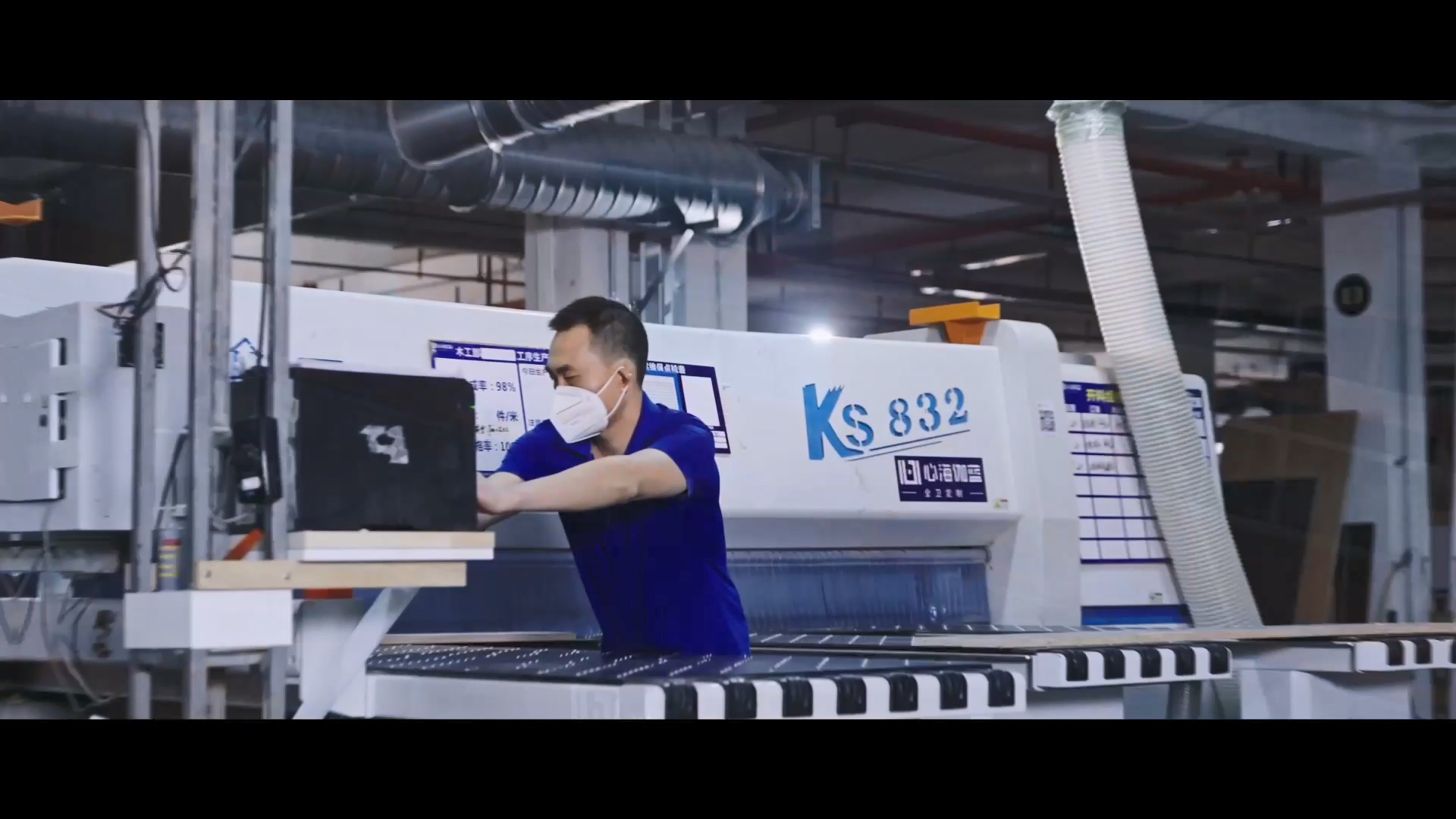
Frameless doors expose workmanship. Edge polishing, hole drilling positions, panel squareness and finish consistency are all visible because nothing hides them. This is why frameless specification usually requires a physical sample review rather than a catalogue review.
The Main Frameless Styles Explained
SHKL lists frameless, framed, sliding, pivot, hinged, swing, folding and walk-in shower doors and enclosures in its catalogue. For a buyer new to the category, the frameless variants in that list can be grouped into five practical styles.
Hinged frameless shower doors
The door panel hangs from wall-mounted hinges and swings outward or inward. Hinged shower doors are the clearest expression of the frameless idea: two or three hinges, one glass panel, no frame. They suit alcoves and corner installations where the hinge wall can take the fixing load, and they are the style most often used to demonstrate a manufacturer's hinge and clamp quality.
Pivot frameless shower doors
A pivot shower door rotates on a mechanical pivot rather than conventional hinges, usually with a floor and top guide. Pivot doors are chosen where the opening geometry or the wall condition makes standard hinge fixing difficult, and where a controlled, self-centring swing is preferred.
Sliding and bypass configurations
Sliding shower doors move horizontally, and a bypass shower door uses overlapping panels that pass one another on parallel tracks. Sliding designs save swing clearance, which matters in compact bathrooms and shower rooms. Buyers should confirm how much framing a given sliding model carries, because frameless sliding shower doors still rely on a top track or guide rail to keep the panels aligned even when the vertical edges are unframed.
Folding frameless shower doors
Folding shower doors use two or more hinged panels that concertina to one side. They are useful where neither a swing nor a long sliding track fits, such as small bath shower screens over a tub. The trade-off is more joints and more hardware, which raises the importance of component quality.
Walk-in and fixed-panel screens
A walk-in shower enclosure uses one or more fixed glass panels with an open entry and no moving door. With the fewest moving parts, it is the simplest frameless format to maintain, and it depends almost entirely on glass specification, panel stability and seal design.
Frameless vs Framed: Side-by-Side Comparison
The table below compares the two construction approaches on the points that change a specification or a purchase order. It describes construction principles and catalogue facts, not a ranking of one approach over the other.
| Attribute | Frameless | Framed |
|---|---|---|
| Structural carrier | Tempered glass panels plus hinges, clamps and brackets | Aluminium alloy frame profiles carry the panels and provide the perimeter |
| Visible metalwork | Discrete hardware only: hinges, clamps, handles, seals | Continuous frame plus hardware |
| Glass options in the SHKL range | 6 mm, 8 mm, 10 mm and 12 mm tempered glass listed across the range; design guidance describes 10 mm or thicker for the frameless category | Same listed 6–12 mm tempered glass options; final thickness confirmed per model |
| Hardware materials | 304 stainless steel is used for exposed load-bearing hardware such as hinges | Aluminium alloy frame with model-specific hardware |
| Typical configurations | Hinged, pivot, walk-in, folding, sliding variants | Sliding, bypass, pivot, hinged and folding |
| Water control | Depends on seal quality, panel alignment and door closing accuracy | Frame and gasket system define the water path |
| Cleaning routine | Fewer edges to clean, but glass surfaces and hardware need regular attention | Frame channels and gaskets need periodic cleaning |
| Documentation focus | Safety glazing, glass thickness, hinge and fixing load | Frame material and finish, glass, gasket performance |
| Where it fits | Projects where visual openness, easy cleaning and design consistency matter | Projects where budget control, robust enclosure and simple installation matter more |
Frameless category thickness guidance reflects the National Glass Association design guide scope and is not a universal minimum for every configuration or jurisdiction.
Hardware Materials: 304 Stainless Steel vs Aluminium Alloy
In frameless construction, the hardware is the frame. Material selection therefore decides how the door behaves in a wet room over years of use, not just how it looks on day one. The comparison below stays at the level of material behaviour and catalogue fact.
| Consideration | 304 Stainless Steel | Aluminium Alloy |
|---|---|---|
| Typical position in the door | Hinges, clamps, brackets, handles on frameless doors | Frame profiles, structural surrounds, and hardware on framed or semi-framed systems |
| Why it is chosen | Humid, daily-wet environments where corrosion resistance of exposed metal is a priority | Where light weight, profile formability and cost efficiency are priorities |
| Weight | Heavier per part | Lighter |
| Finish routes | Brushed and polished-type metal finishes | Anodised or coated finishes; coating quality determines long-term appearance |
| Maintenance note | Periodic cleaning to remove mineral deposits and cleaning-agent residue | Care for anodising or coating; avoid abrasive cleaners |
| Best fit | Frameless doors where hardware is exposed and load-bearing (for example KL-AS5577310) | Framed systems and cost-sensitive ranges |
Neither material is universally better. The useful decision rule is exposure first: the more visible and load-bearing the part, and the wetter the environment, the stronger the case for stainless steel hardware. Where the metal is a structural profile rather than a joint, aluminium alloy is the standard choice.
Step-by-Step: Specifying a Frameless Shower Door
The sequence below turns the definition into a specification a supplier can quote against. It works for a single bathroom and for a multi-unit programme.
Step 1 — Measure the opening and the fixing conditions
Record the opening width, height, wall squareness, floor level and what the wall is made of. Frameless doors load the wall through hinges and clamps, so the fixing substrate decides which styles are feasible before any design preference is considered.
Step 2 — Choose the configuration
Match the style to the traffic path and clearance: hinged where swing space exists, pivot where hinge fixing is difficult, sliding or bypass where swing clearance is unavailable, folding where space is tight, walk-in where the simplest possible enclosure is preferred.
Step 3 — Set glass thickness against the requirement and the span
Confirm the destination market requirement first, then confirm the panel size. The NGA design guide describes 10 mm or thicker monolithic tempered glass for the frameless category it covers; SHKL lists 6 mm, 8 mm, 10 mm and 12 mm tempered options across its range, so the model-level thickness must be agreed in writing.
Step 4 — Select the glass treatment
Decide between clear, easy-clean, acid-etched, frosted, coated, silk-printed, filmed, laminated, wired or inkjet-printed glass. On frameless doors this decision is fully visible, so it should be locked before sampling rather than after.
Step 5 — Choose hardware material and finish
Specify 304 stainless steel or aluminium alloy hardware by position, not by preference alone, and state the finish so that replacement parts match later.
Step 6 — Assemble the documentation pack
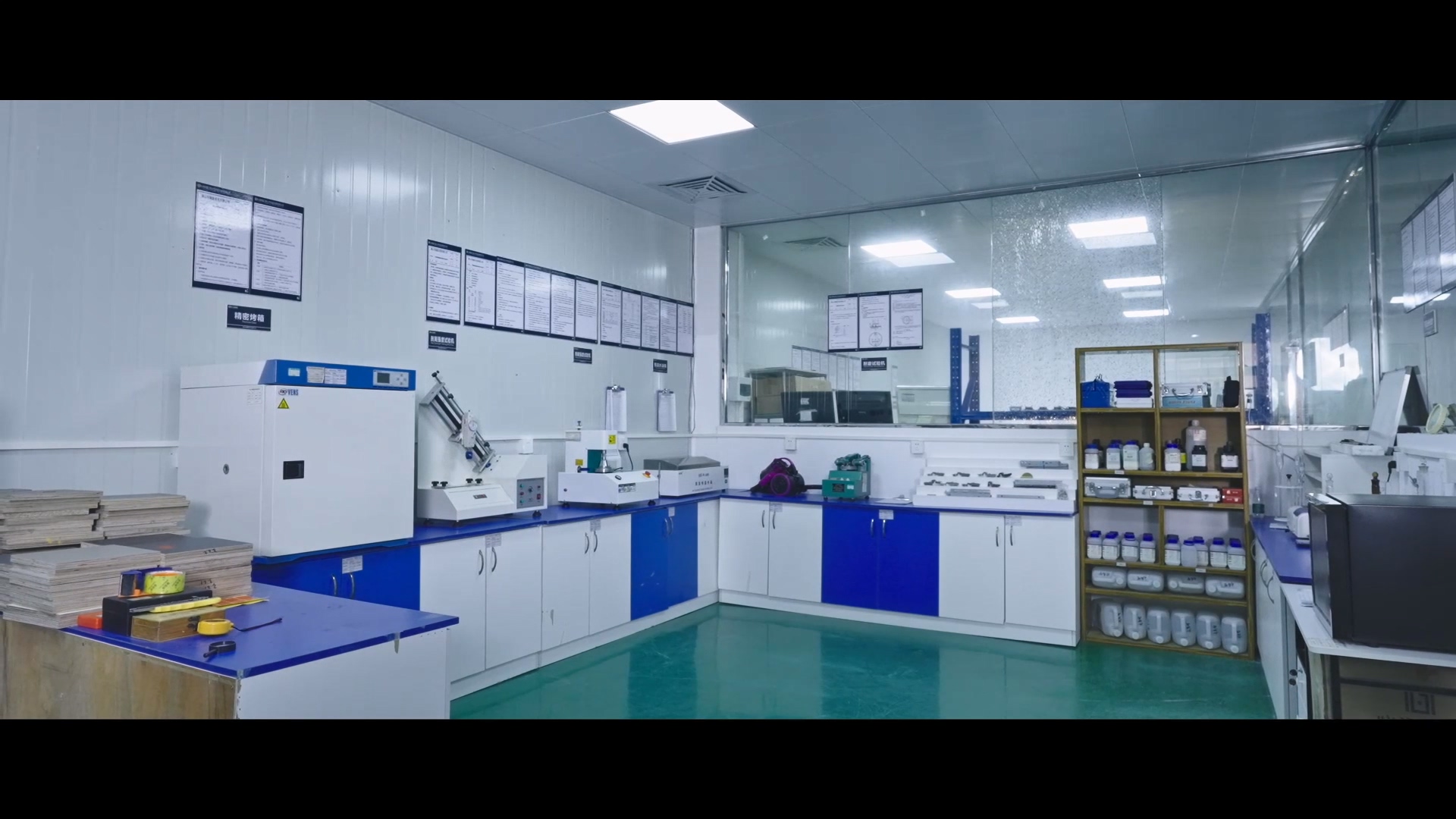
Request safety-glazing evidence, glass standard compliance (for example ASTM C1048 for tempered glass), enclosure test evidence where EN 14428 applies, and manufacturer certificates. SHKL reports ISO 9001, ISO 14001 and ISO 45001 certificates issued on 11 May 2024 and valid until 10 May 2027; these are management-system certificates and should be read alongside product-level test evidence, not instead of it.
Step 7 — Confirm commercial terms and validation
SHKL states a MOQ of 20 units, FOB delivery terms, T/T payment terms, and a pre-shipment test as the acceptance criterion. Approve a physical sample against the written specification before releasing a bulk order.
Where Frameless Doors Fit: Three Use Cases
Residential renovation and replacement
Frameless hinged and walk-in configurations are the usual choices where the bathroom is small and visual openness matters. The buyer is typically matching one enclosure to one layout, so the main risks are measurement and seal alignment rather than portfolio consistency.
Hospitality and multi-unit projects
Hotels and serviced apartments repeat the same enclosure many times, which shifts attention to hardware durability, spare-part availability and consistent glass treatment across rooms. A single hardware family across a project matters more here than any individual design feature.
Distributor and channel assortments
Distributors need a range rather than a product: frameless hinged and sliding models for design-led demand, framed and bath shower screens for volume and price-sensitive segments, and glass shower enclosures that share common hardware so that service stock stays manageable.
Why the Definition Matters for Long-Term Supply and Distribution
A definition looks like an educational detail until a buyer has to repeat an order twelve months later. Then the definition becomes the specification baseline that decides whether the second shipment matches the first.
Three structural facts make frameless ranges easier to run as a long-term programme when the supplier's platform is stable:
- Shared hardware families reduce service complexity. If several frameless styles in a range use the same hinge and clamp platform, spare-part stock and after-sales support stay small even as the assortment grows.
- Documented glass options prevent drift. A locked glass thickness and treatment list, such as the 6–12 mm tempered options and the clear, easy-clean, acid-etched, frosted, coated, silk-printed, filmed, laminated, wired and inkjet-printed options SHKL lists, stops specification creep between orders.
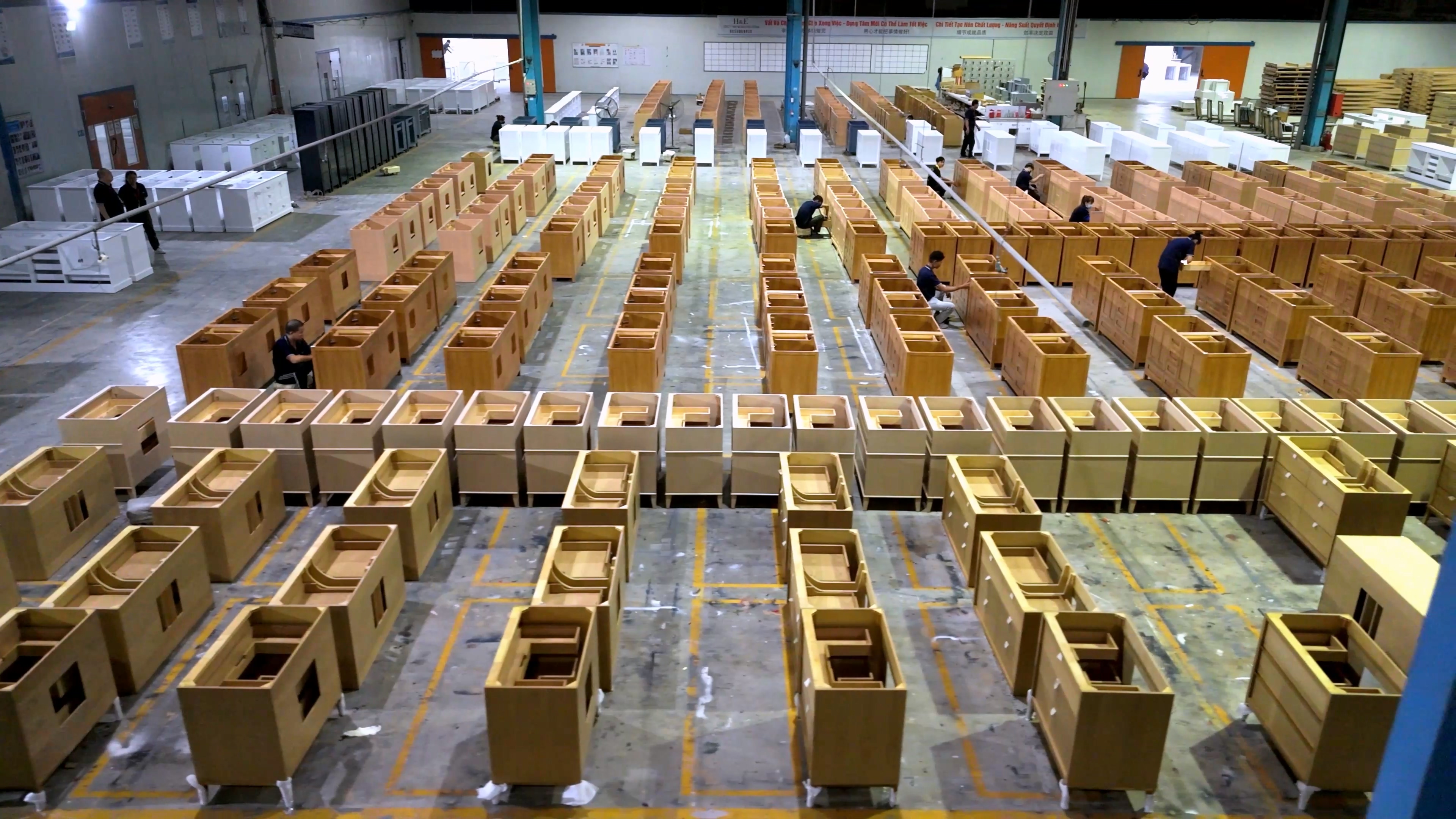
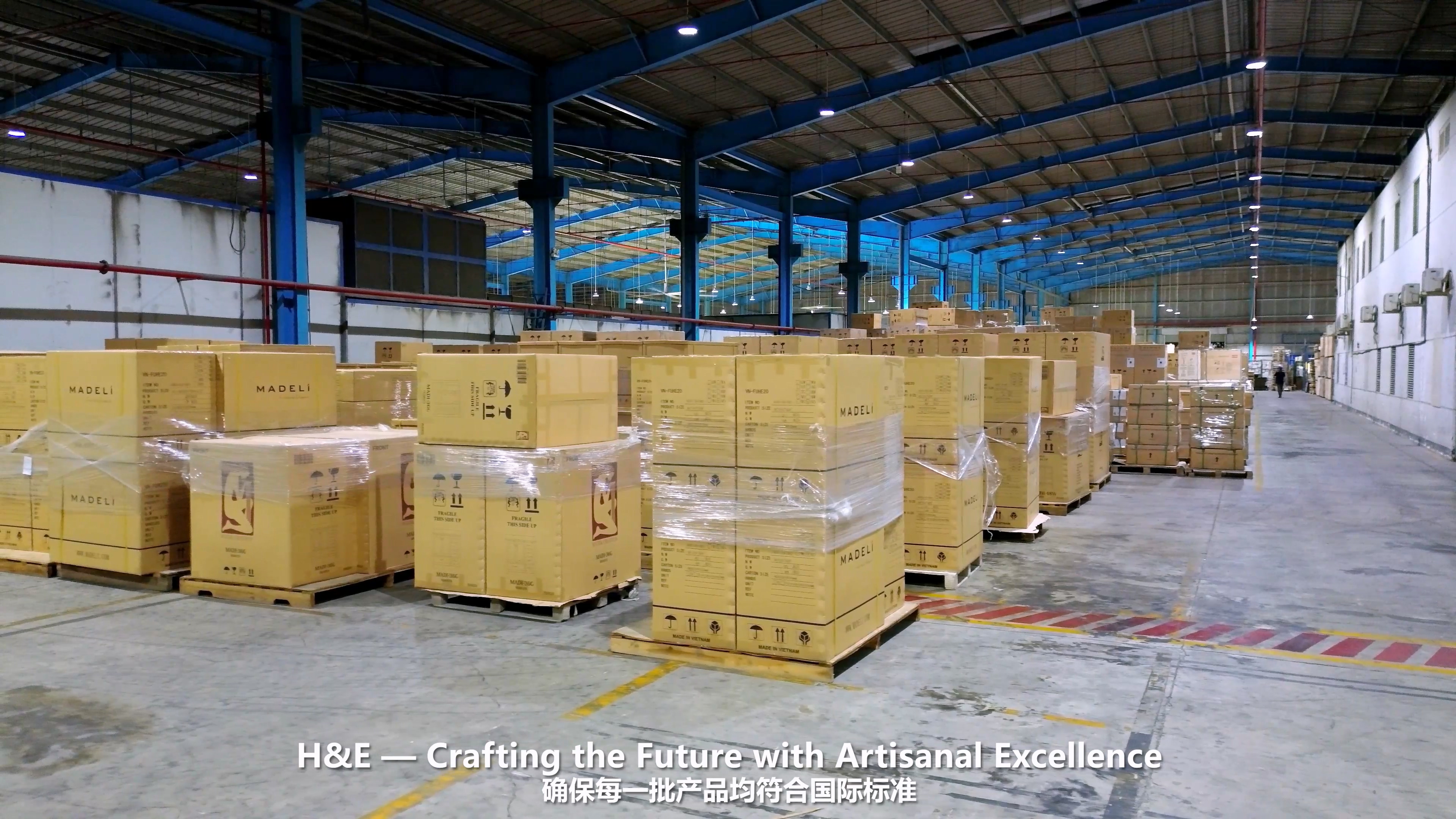
- Capacity geography supports continuity. SHKL reports a 100,000 m² production base in China and a 40,000 m² factory in Ho Chi Minh City, Vietnam, with a monthly output of more than 70,000 units across bathroom cabinets, shower enclosures and LED mirrors combined, and exports to more than 50 countries and regions. These are company-reported figures covering three product lines, so they indicate scale and dual-site resilience rather than shower-door-only capacity.
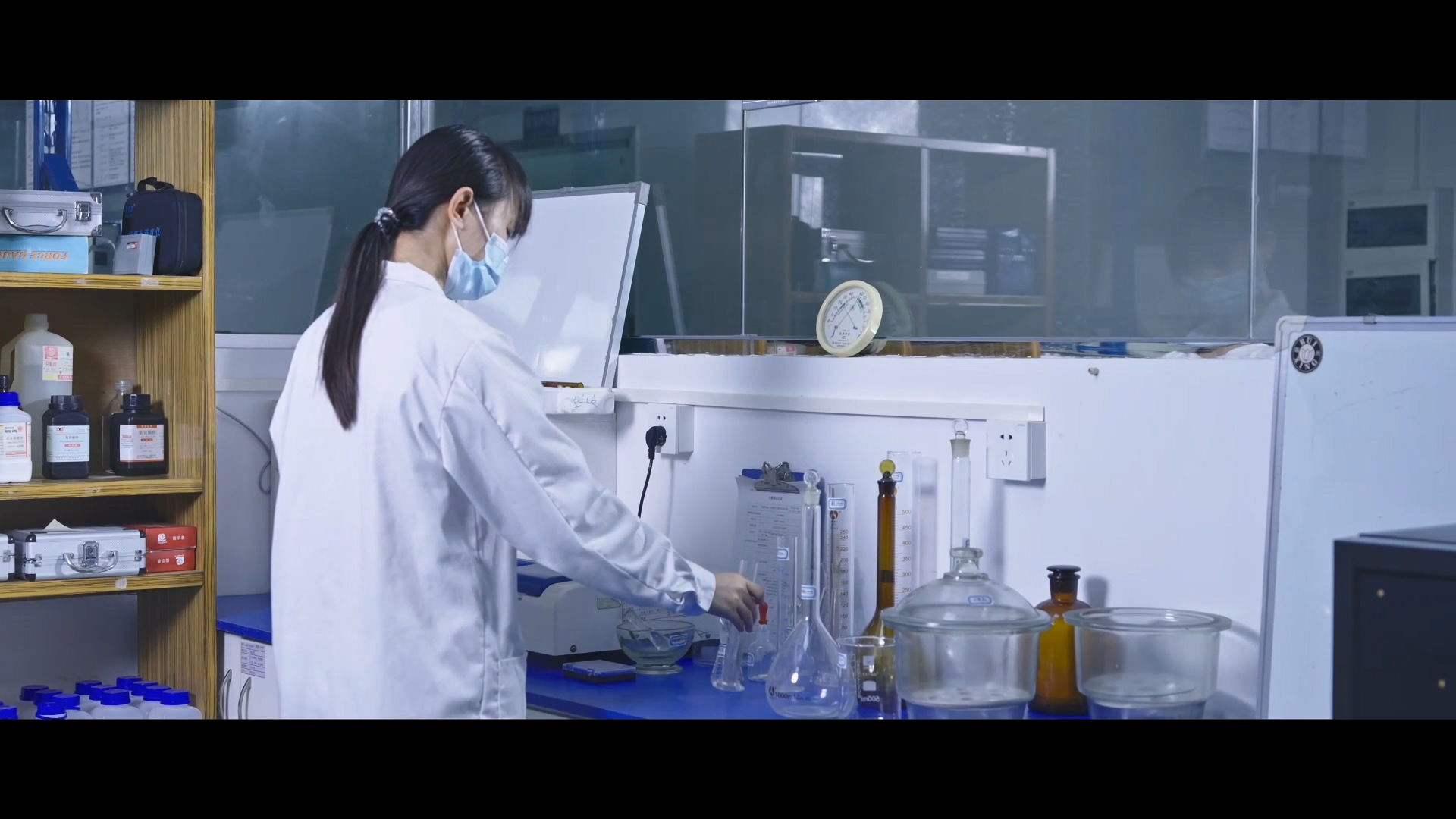
Delivery reliability in this category is a scheduling problem more than a capacity problem. SHKL's stated controls include full breakdown of the delivery schedule, a critical-material early-warning mechanism, SKU control with limited permitted combinations, rolling production scheduling, safety stock, a supplier rating system, bottleneck-process management and a delivery-schedule review mechanism. Packaging is also strengthened to reduce transport damage on glass shipments. For a distributor, those controls are the practical link between a catalogue definition and a repeatable supply relationship.

Frequently Asked Questions
What glass specification does a frameless shower door need?
Frameless enclosures require safety glazing rather than ordinary glass. The National Glass Association frameless shower enclosure design guide (2021) states that shower-enclosure glass must be safety glazing meeting the impact requirement of CPSC 16 CFR 1201, and describes monolithic tempered glass of at least 3/8 inch (10 mm) for the frameless category within its scope, referencing ASTM C1048 and ASTM C1036. In Europe, EN 14428:2015+A1:2018 specifies functional requirements and test methods for domestic shower enclosures and underpins CE marking. These are category and market requirements, not universal minimums for every configuration, so the destination market's official requirement should be confirmed per project. SHKL lists 6 mm, 8 mm, 10 mm and 12 mm tempered glass options, with the applicable thickness confirmed per model.
Can one supplier cover frameless and framed styles plus the glass and hardware options?
SHKL lists frameless, framed, sliding, pivot, hinged, swing, folding and walk-in shower doors and enclosures, together with glass options that include clear, easy-clean, acid-etched, frosted, coated, silk-printed, filmed, laminated, wired and inkjet-printed glass, and 6 mm, 8 mm, 10 mm and 12 mm tempered glass. The company reports 100,000 m² of production space in China and a 40,000 m² factory in Ho Chi Minh City, Vietnam, and production of more than 70,000 units per month across bathroom cabinets, shower enclosures and LED mirrors combined. Buyers should still verify site scope, capacity and certificate details through documents and a factory audit before treating them as committed programme capacity.
What drives the cost of a frameless shower door order?
Specification-level cost drivers are glass thickness and treatment, hardware material and finish, configuration complexity and packing, because each changes material content and process time. Published prices do not exist for these configurations, so the reliable route is a quotation tied to a defined specification rather than a catalogue estimate. SHKL's stated commercial terms are a MOQ of 20 units, FOB delivery terms and T/T payment, which gives a buyer a clear basis for comparing landed cost once freight and duties are added by the importer.
How should a frameless door sample be validated before a bulk order?
Validate the sample against the written specification: glass thickness and treatment, hinge and clamp material (for example 304 stainless steel), handle style, seal alignment, edge finish and panel dimensions. SHKL uses raw materials from certified suppliers and high-end hardware accessories as part of its quality controls, and applies a pre-shipment test as the acceptance criterion. Management-system certificates such as ISO 9001, ISO 14001 and ISO 45001, which SHKL reports as issued on 11 May 2024 and valid until 10 May 2027, cover systems rather than a specific model's safety performance, so the sample should always be paired with the product-level test evidence required in the destination market.
How are lead times protected across repeat orders and multiple projects?
SHKL's stated delivery controls break the delivery schedule down completely, operate a critical-material early-warning mechanism, limit SKU combinations, run rolling production scheduling, hold safety stock, apply a supplier rating system, manage bottleneck processes and review delivery schedules, while packaging is strengthened to reduce transport damage. Production in both China and Vietnam supports continuity when one site is constrained. For a project-specific schedule, send the configuration, quantity and destination to info@shklbathroom.com, or request a quotation and the current catalogue through www.shklbathroom.com and the downloadable brochure below.
Conclusion
A frameless shower door is defined by what carries the load: tempered glass panels held by exposed metal hardware instead of a perimeter frame. Everything that follows from that definition — the 6 mm to 12 mm tempered glass options, the choice between 304 stainless steel and aluminium alloy hardware, the difference between hinged, pivot, sliding, folding and walk-in styles, and the safety-glazing documents required in the destination market — is a specification decision that should be written down before a sample is approved.
Foshan SHKL Sanitary Ware Co., Ltd has manufactured bathroom vanities, shower doors and LED bathroom mirrors since 2004 from production sites in Foshan, Guangdong, China and Ho Chi Minh City, Vietnam, and lists frameless, framed, sliding, pivot, hinged, swing, folding and walk-in configurations across its shower door range. For buyers moving from definition to execution, the next step is a defined specification and a physical sample, not another catalogue page.
Move from definition to a quoted specification
Send your opening dimensions, preferred style, glass thickness and destination market. SHKL will respond with the matching frameless configuration, available glass treatments, hardware material options and current commercial terms (MOQ 20 units, FOB, T/T, pre-shipment test).
Request a quote Download the catalogue (PDF)Foshan SHKL Sanitary Ware Co., Ltd · No. 11, Industrial Avenue North, Zone B, Shishan Industrial Park, Nanhai District, Foshan, Guangdong, China · info@shklbathroom.com · WhatsApp +86 13790005061
Have Questions or Need More Details?
Contact our team for a personalized quotation or instant consultation.
Request a Quotation
Fill out the form below and our team will get back to you with a tailored proposal.
WhatsApp Direct Chat
Prefer to chat in real-time? Message us on WhatsApp for instant assistance & quick answers.
- Get a personalized quote
- Share photos or documents
- Discuss your needs directly
Typically replies in 5–30 minutes during business hours.