
Aluminum Alloy vs 304 Stainless Steel Shower Doors: A Distributor Comparison Guide
Two shower doors leave the same factory, pass the same glass inspection, and ship inside the same container. One carries an aluminium alloy frame. The other carries 304 stainless steel hardware. On a quotation sheet they look interchangeable. In a distributor's warehouse and on an installer's trolley, they are not.
This guide is written for the people who have to make that call before the purchase order is signed: distributors, importers, and sourcing teams building a shower door range that has to serve both residential construction and commercial hospitality. Three SHKL models act as fixed reference points throughout — KL-AS5104310 (aluminium alloy frameless), KL-AS5511312 (304 stainless steel sliding), and KL-AS5577310 (304 stainless steel hinge). Glass craftsmanship is handled as a second, equally decisive checkpoint, because in most organisations the hardware material and the glass specification are chosen by different people at different moments.
Quick answer. Aluminium alloy is the practical route for frameless volume work, where weight, handling, and finish range drive the decision. 304 stainless steel is the practical route for sliding and hinged configurations in hospitality and high-humidity environments, where the corrosion behaviour of the base metal matters more than a coating on top of it. Distributors who carry both usually split the range by project type rather than by price position.

The Real Decision Is Not “Which Metal” — It Is “Which Order Book”
A distributor rarely loses a shower door order because the glass was wrong. The order is lost later, at the callback stage: a hinge that feels loose after two seasons in a hotel, a coated frame that scuffs during a handover, a sliding panel that the install crew could not align because the hardware was heavier than the fixings allowed for.
That is why material selection belongs at the range-planning stage, not at the quotation stage. The decision has three components that are often treated as one:
- Hardware material — aluminium alloy or 304 stainless steel. Sets weight, corrosion strategy, finish options, and installation behaviour.
- Configuration — frameless, sliding, or hinged. Determines how the material is loaded and how the end user touches it every day.
- Glass specification — thickness plus treatment. Determines safety-glazing compliance, privacy, maintenance, and the price band you can defend.
A quote that compares aluminium alloy against 304 stainless steel without normalising the glass specification is not a comparison. It is two different products with two different risk profiles.
Industry Background: Why This Choice Got Harder, Not Easier
The commercial context behind the material question has shifted in two directions at once.
Frameless demand is concentrated. The global shower doors market was valued at USD 13.5 billion in 2023, according to Cognitive Market Research, and the same source reports that frameless shower glass doors held a 75% share of the North America market as of 2025. For a distributor selling into North America, that means the volume sits disproportionately in frameless configurations — which is exactly where aluminium alloy hardware is most often used, because the frame carries less visual weight and the panel load is distributed differently from a framed enclosure.
Compliance pressure is constant, and it is glass-led. In Europe, EN 14428:2015+A1:2018 sets out functional requirements and test methods for domestic shower enclosures and is the standard route referenced for CE marking. In the United States, the National Glass Association design guide states that shower-enclosure glass must be safety glazing meeting the federal impact requirement of CPSC 16 CFR 1201, and describes monolithic tempered glass of at least 3/8 inch (10 mm) for the frameless category covered by that guide, with ASTM C1048 and ASTM C1036 referenced. None of those requirements care whether your frame is aluminium or stainless steel — but they decide whether the product can enter the market at all.
Practical takeaway. Clear glass compliance first, then choose the hardware material. Doing it the other way round produces beautiful samples that cannot be shipped into the target market.
Aluminium Alloy Hardware: Where It Earns Its Place
Aluminium alloy is the lighter of the two hardware routes. That single physical property cascades into most of its commercial advantages: panels are easier to move through a warehouse, one installer can often position a frameless door without a second pair of hands, and freight and handling costs behave more predictably in multi-unit residential orders.
Its corrosion protection is a surface strategy. Anodised or powder-coated finishes create the barrier, which means the finish is also the wear point. Two things follow for a distributor:
- Batch colour consistency matters. Coated and anodised finishes must match across shipments, or a distributor ends up with two visibly different doors in the same installation.
- Touch-up and abrasion rules belong in the terms. Coated surfaces need a stated touch-up position for site damage, and a handling standard so the coating survives transport and installation.
The SHKL model that anchors this route is KL-AS5104310, an aluminium alloy frameless shower door. In practice, that pairing — aluminium alloy plus frameless — is the configuration most often quoted for volume residential construction, where the priority is a clean visual line at a workable landed cost rather than maximum corrosion exposure.
Where aluminium alloy deserves a second look before you commit: coastal installations with salt exposure, and high-traffic hospitality bathrooms where the frame is knocked repeatedly by cleaning equipment. In those settings the coating does more work, so the coating specification has to be verified rather than assumed.
304 Stainless Steel Hardware: Where It Earns Its Place
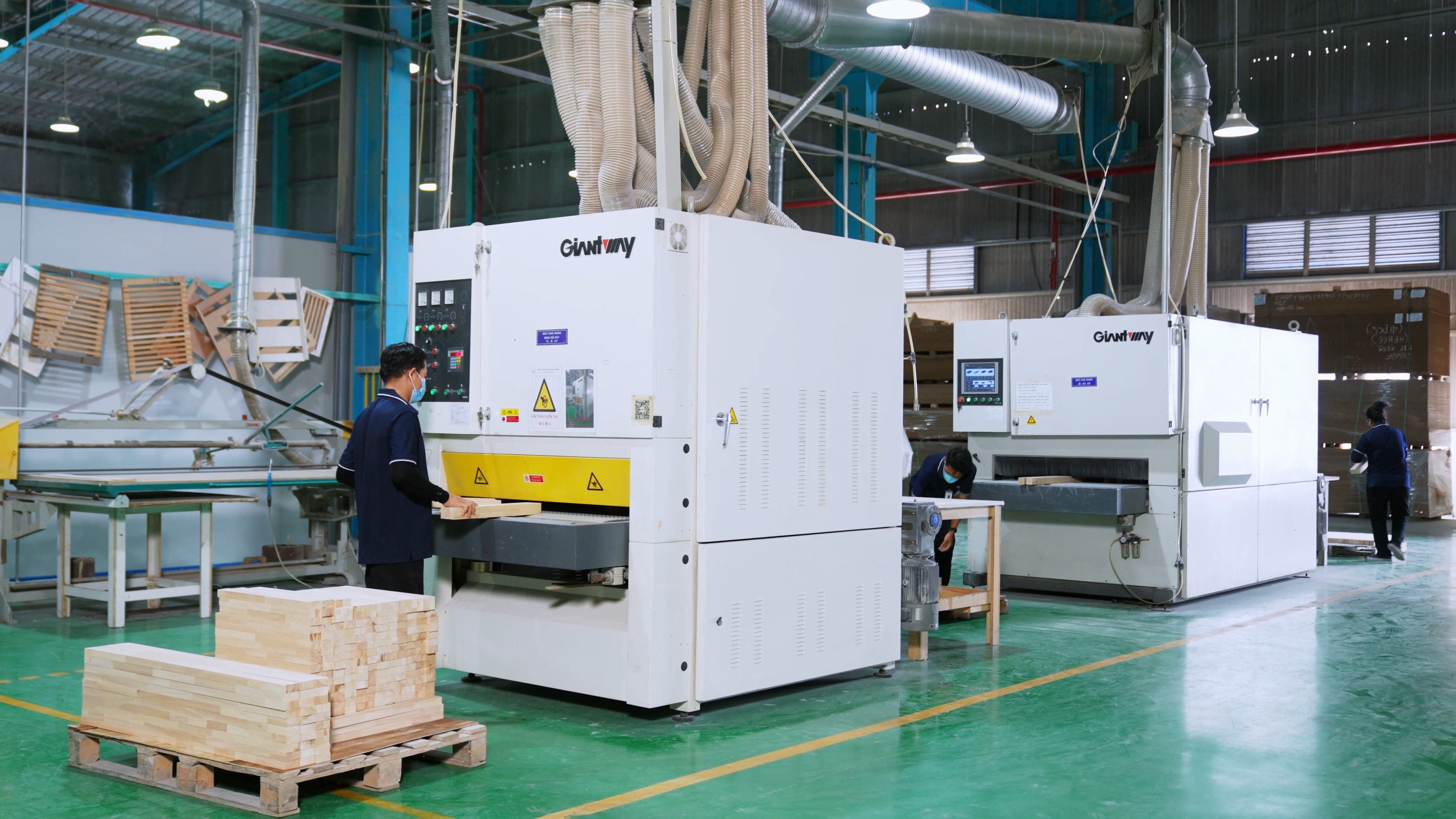
304 stainless steel is a chromium-nickel austenitic grade. Its corrosion resistance comes from the alloy itself rather than from a coating, which is the central difference a distributor has to explain to a hotel client: there is no surface layer to chip, peel, or wear through in a wet environment.
What it costs you operationally is weight. Stainless hardware is heavier than the aluminium alloy route, so anchoring and hinge rating deserve a deliberate check before installation drawings are issued, and install crews should expect a two-person lift on larger panels. Polished stainless finishes also show handling marks, which is a handover detail rather than a performance issue — brushed finishes handle it better but read differently against the glass.
Two SHKL models anchor the stainless route:
- KL-AS5511312 — a 304 stainless steel sliding shower door, the configuration most exposed to repeated cycle use in hotel bathrooms.
- KL-AS5577310 — a 304 stainless steel hinge shower door, where the hardware carries the panel on a pivot point rather than on a track.
Verification tip. “Stainless steel” on a spec sheet is not the same claim as “304”. Ask for the material evidence behind the grade statement, not just the marketing name, and record it in the purchase file.
Glass Craftsmanship: The Second Selection Checkpoint
SHKL lists 6 mm, 8 mm, 10 mm, and 12 mm tempered glass options across its shower door range. Those four numbers do more to change a quote than the frame material usually does, and they interact directly with safety-glazing requirements. For the frameless category in the United States context, the National Glass Association guide describes monolithic tempered glass of at least 3/8 inch (10 mm).
Beyond thickness, the treatment is where distributors win or lose margin. SHKL's published glass options include clear, easy-clean, acid-etched, frosted, coated, silk-printed, filmed, laminated, wired, and inkjet-printed glass. The seven that matter most in routine distributor selection are these:
- Clear glass. The default and the easiest to specify. It shows water spotting earliest, which is why it is usually paired with an easy-clean upgrade rather than sold bare in hospitality work.
- Tinted glass. Adds privacy and glare control, and gives a range a visible signature in showrooms. Check tint consistency across the batch before approving.
- Laminated glass. Two glass plies bonded with an interlayer, so the panel holds together rather than falling away if broken. It appears in SHKL's listed options as safety laminated glass and is commonly specified where broken-glass retention matters.
- Flute glass. A reeded vertical texture that delivers privacy with a strong design language. Attractive in premium residential work; harder to clean than flat glass, so set end-user expectations.
- Chemically frosted glass. A uniform diffusion finish, listed by SHKL as acid-etched and frosted glass. It gives privacy without a film edge and is the more durable frosted route on paper.
- Easy-clean glass. A coating that changes how water beads and dries. It is a life-of-product consumable, so the aftercare instructions you hand the end user are part of the specification.
- Film-coated glass. An applied film for colour, privacy, or decorative effect. The failure point is the film edge, so edge sealing and cleaning instructions must be explicit.
SHKL also lists coated, silk-printed, filmed, wired, and inkjet-printed glass, which matters when a distributor needs a decorative or heritage-style range rather than a plain one.
Buyer rule. Never compare two shower door quotations until the glass thickness and treatment are identical. Material differences are usually visible in the quote; glass differences are usually hidden in it.
Step-by-Step: A Distributor's Six-Step Evaluation
- Start from the order book, not the price list. Split your pipeline into volume residential and hospitality or high-humidity projects. If hospitality is more than a small share, the stainless route needs to be in the range from day one.
- Fix the glass specification before discussing hardware. Decide thickness and treatment per project type, confirm the safety-glazing requirement for the destination market, then compare frames. This prevents the most common comparison error.
- Match configuration to material. Frameless volume work points to aluminium alloy, as in KL-AS5104310. Sliding and hinged configurations in demanding environments point to 304 stainless steel, as in KL-AS5511312 and KL-AS5577310.
- Request material and coating evidence in writing. For stainless, the grade statement and its supporting evidence. For aluminium alloy, the coating or anodising specification and the batch colour tolerance. Store both in the supplier file.
- Run a physical sample test. Weigh the sample, operate the hinge or slide repeatedly, inspect glass edges and the finish under raking light, and check the packaging that the sample arrived in — because that packaging is what your customer will receive.
- Lock packaging, lead time, and re-order rules. Agree a delivery schedule broken down by milestone, confirm which SKUs are standard and which are made to order, and set the rules for repeat orders before the first container ships.
Use Cases: Matching Material to Project Type
Volume residential construction
Multi-unit and mid-rise residential projects reward consistency and handling speed. Aluminium alloy frameless hardware, paired with clear or easy-clean tempered glass in 8 mm or 10 mm, keeps the visual line clean and the installation predictable across repeated units.
Commercial hospitality
Hotel and resort bathrooms expose hardware to daily cleaning chemicals, constant humidity, and high cycle counts. 304 stainless steel in sliding or hinged configurations — KL-AS5511312 and KL-AS5577310 — addresses the corrosion question at the material level rather than at the coating level. Laminated or tinted glass is a frequent companion spec here.
Coastal and high-humidity residential
Salt air and persistent moisture are the two conditions where the aluminium alloy route needs its coating specification verified rather than assumed. Where the project budget allows, moving to 304 stainless steel removes that variable entirely.
Renovation and retrofit distribution
Retrofit work usually means non-standard openings and short lead times. Keeping both material routes available, with clearly defined standard configurations, lets a distributor quote without engineering every order from scratch.
Showroom and retail display
Showrooms sell finish and touch. Displaying one aluminium alloy frameless unit next to one 304 stainless sliding unit lets a buyer feel the weight difference and see the finish difference in a single visit — which shortens the conversation considerably.
Comparison Table: Aluminium Alloy vs 304 Stainless Steel
| Decision Factor | Aluminium Alloy — KL-AS5104310 (frameless) | 304 Stainless Steel — KL-AS5511312 (sliding) / KL-AS5577310 (hinge) |
|---|---|---|
| Material basis | Aluminium alloy frame and hardware | 304 stainless steel, a chromium-nickel austenitic grade |
| Configuration anchored in this guide | Frameless | Sliding and hinged |
| Weight and handling | Lighter; easier for single-person positioning and warehouse movement | Heavier; anchoring and hinge rating deserve a check before installation drawings are issued |
| Corrosion strategy | Surface-based: anodised or powder-coated finish carries the protection | Alloy-based: no coating layer to chip or wear through |
| Finish behaviour | Wide finish and colour routes via coating; batch colour consistency must be controlled | Brushed or polished metal finishes; polished surfaces show handling marks |
| Glass thickness options in the SHKL range | 6 mm / 8 mm / 10 mm / 12 mm tempered | 6 mm / 8 mm / 10 mm / 12 mm tempered |
| Glass treatment options in the SHKL range | Clear, tinted, laminated, flute, chemically frosted, easy-clean, film-coated | Clear, tinted, laminated, flute, chemically frosted, easy-clean, film-coated |
| Safety-glazing checkpoint | Frameless category guidance in the US context describes minimum 3/8 in (10 mm) monolithic tempered meeting CPSC 16 CFR 1201 | Applies wherever the configuration is frameless; confirm per destination market |
| Compliance reference | EN 14428:2015+A1:2018 for EU domestic enclosures; ASTM C1048 for tempered glass | EN 14428:2015+A1:2018 for EU domestic enclosures; ASTM C1048 for tempered glass |
| Best-fit project type | Volume residential, mid-rise residential | Hospitality, coastal, high-humidity, high-cycle bathrooms |
Quick Evaluation Tips for Sourcing Teams
- Normalise the glass first. Same thickness, same treatment, then compare hardware. Anything else is a false comparison.
- Weigh the sample. The material difference is physically measurable and tells you immediately what your install crew is dealing with.
- Ask what protects the metal. For aluminium alloy the answer is a coating. For 304 stainless steel the answer is the alloy. Different answers mean different failure modes.
- Check the batch, not the sample. Colour consistency and finish consistency across shipments is a distributor problem, not a factory problem.
- Read the packaging. Transport damage is one of the most common practical risks in shower door distribution, so the carton in front of you is part of the product spec.

FAQ: Aluminium Alloy vs 304 Stainless Steel Shower Doors
Does the hardware material change the compliance requirements for a shower door?
No. Compliance requirements are driven by the enclosure and the glass, not by the frame metal. In the EU, EN 14428:2015+A1:2018 sets out functional requirements and test methods for domestic shower enclosures and is the standard route referenced for CE marking. In the United States, the National Glass Association design guide states that shower-enclosure glass must be safety glazing meeting the impact requirement of CPSC 16 CFR 1201, and describes monolithic tempered glass of at least 3/8 inch (10 mm) for the frameless category covered by that guide, referencing ASTM C1048 and ASTM C1036. The aluminium alloy versus 304 stainless steel decision therefore sits on top of compliance, not inside it. Confirm the glass requirement for the destination market first, then choose the material.
Can one supplier deliver both aluminium alloy and 304 stainless steel configurations?
For Foshan SHKL Sanitary Ware Co., Ltd, the published catalogue lists frameless, framed, sliding, pivot, hinged, swing, folding, and walk-in shower doors and enclosures, with 6 mm, 8 mm, 10 mm, and 12 mm tempered glass and a glass treatment list that includes clear, easy-clean, acid-etched, frosted, coated, silk-printed, filmed, laminated, wired, and inkjet-printed glass. The company was established in 2004 and reports production bases of 100,000 m² in China and 40,000 m² in Ho Chi Minh City, Vietnam, with 600 employees and a 20-person R&D team. SHKL reports ISO 9001, ISO 14001, and ISO 45001 certificates issued on 11 May 2024 and valid until 10 May 2027. Sourcing both material routes from one supplier reduces the number of supplier audits a distributor has to run, but capability claims should always be checked against documents for the specific models you intend to order.
How should a distributor build a cost comparison between the two materials?
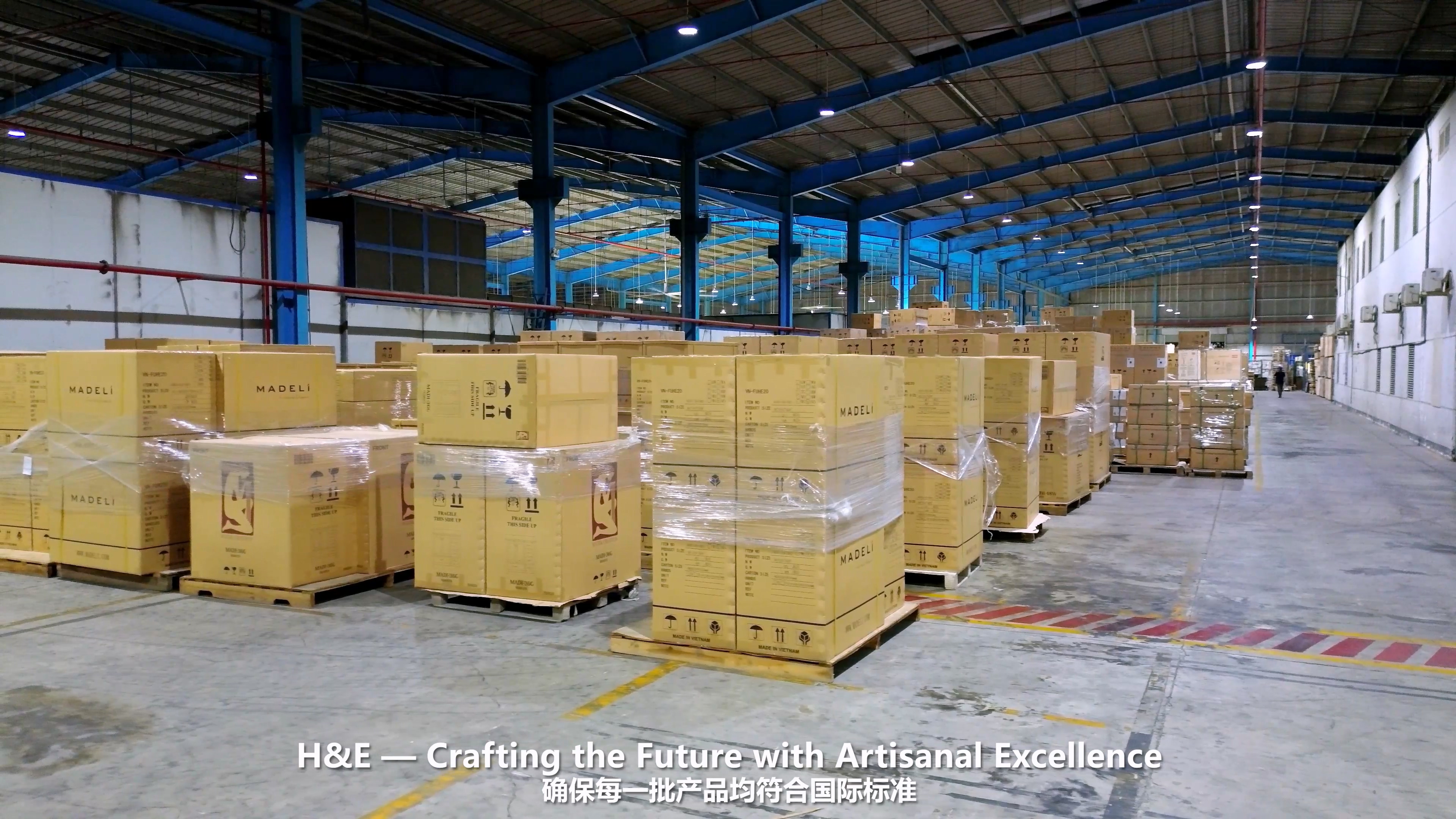
Build it line by line, not at the headline price. Glass thickness and glass treatment usually move landed cost more than the frame material does, so a comparison is only valid when both quotations use the same glass specification. Request a quotation that separates the hardware material, the glass thickness, the glass treatment, the packaging specification, and the shipping configuration, then compare the totals. Packaging deserves particular attention because transport damage is a recurring risk in shower door distribution and re-shipment costs can erase a material saving quickly. Agree the quotation basis in writing before comparing suppliers.
What should a distributor check on a physical sample?
Check five things. First, weight — it tells you how the install crew will work. Second, operation — open and close the hinge or slide the panel repeatedly and listen for binding or rattle. Third, glass edges and glass treatment — inspect the edge polish and confirm the treatment matches what was ordered. Fourth, finish — view the frame under raking light for coating defects or polishing marks. Fifth, packaging — the carton the sample arrived in is the carton your customer will receive. Record the results against the model number, because KL-AS5104310, KL-AS5511312, and KL-AS5577310 each have different failure points to watch.
How can a distributor protect lead time when ordering both materials?
Break the delivery schedule down completely and agree it milestone by milestone, rather than accepting one headline date. Practical controls include a critical-material early-warning mechanism, SKU control that limits the range to approved combinations, rolling production scheduling, safety stock for fast-moving items, and a review mechanism before each shipment is released. Dual production bases — SHKL operates 100,000 m² in China and 40,000 m² in Vietnam — give a distributor more room to rebalance an order when one location is under pressure, but the schedule still has to be managed actively. For distributors who want to test the range before committing to a container, samples can be requested directly through SHKL's contact page or by email at info@shklbathroom.com.
Conclusion: Choose the Material by Project, Not by Habit
Aluminium alloy and 304 stainless steel are not competing answers to the same question. They are two different answers to two different questions. Aluminium alloy answers “how do I deliver a clean frameless shower door at volume, with predictable handling and a broad finish range?” 304 stainless steel answers “how do I keep hardware performing in a wet, high-cycle, chemically cleaned bathroom for years?”
For a distributor, the practical position is usually both: aluminium alloy frameless configurations such as KL-AS5104310 for residential volume, and 304 stainless steel sliding or hinged configurations such as KL-AS5511312 and KL-AS5577310 for hospitality and high-humidity work. The second discipline is glass. Fix thickness and treatment before comparing anything, confirm the safety-glazing requirement for the destination market, and the material choice becomes a straightforward commercial decision rather than a gamble.
Next Step for Distributors and Sourcing Teams
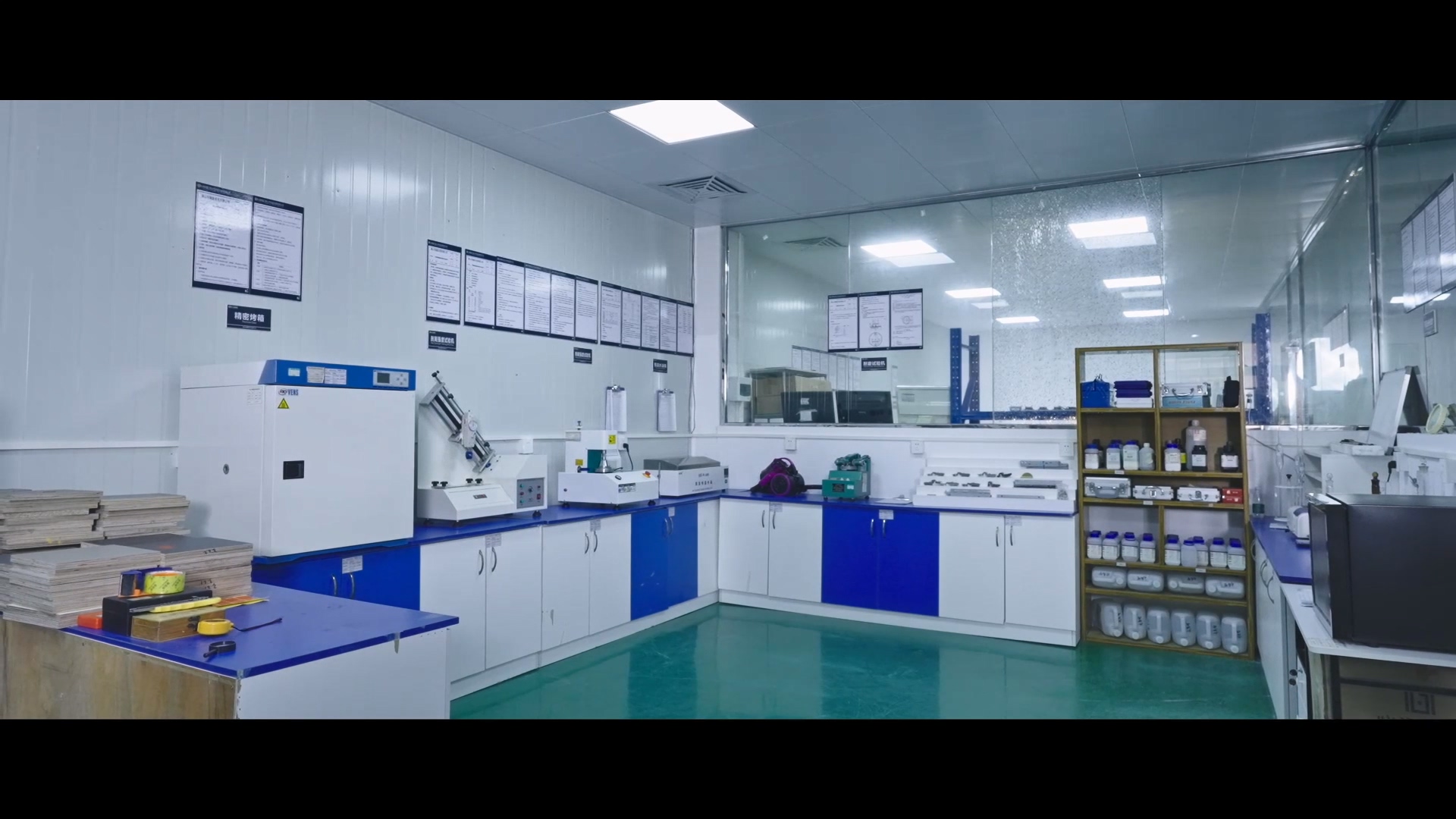
Foshan SHKL Sanitary Ware Co., Ltd has manufactured bathroom vanities, shower doors, and LED bathroom mirrors since 2004 and reports exports to more than 50 countries and regions across Europe, Oceania, North America, South America, and the Middle East.
Request a sample of KL-AS5104310, KL-AS5511312, or KL-AS5577310, or ask for a line-item quotation with the glass specification you actually intend to sell. Download the full product catalogue here: SHKL product catalogue (PDF).
Website: www.shklbathroom.com | Email: info@shklbathroom.com | WhatsApp: +86 13790005061
Have Questions or Need More Details?
Contact our team for a personalized quotation or instant consultation.
Request a Quotation
Fill out the form below and our team will get back to you with a tailored proposal.
WhatsApp Direct Chat
Prefer to chat in real-time? Message us on WhatsApp for instant assistance & quick answers.
- Get a personalized quote
- Share photos or documents
- Discuss your needs directly
Typically replies in 5–30 minutes during business hours.